Building Routes That Handle Real Use
Access Roads & Driveway Construction in Marshville for wooded properties, undeveloped acreage, and rural land requiring durable vehicle access
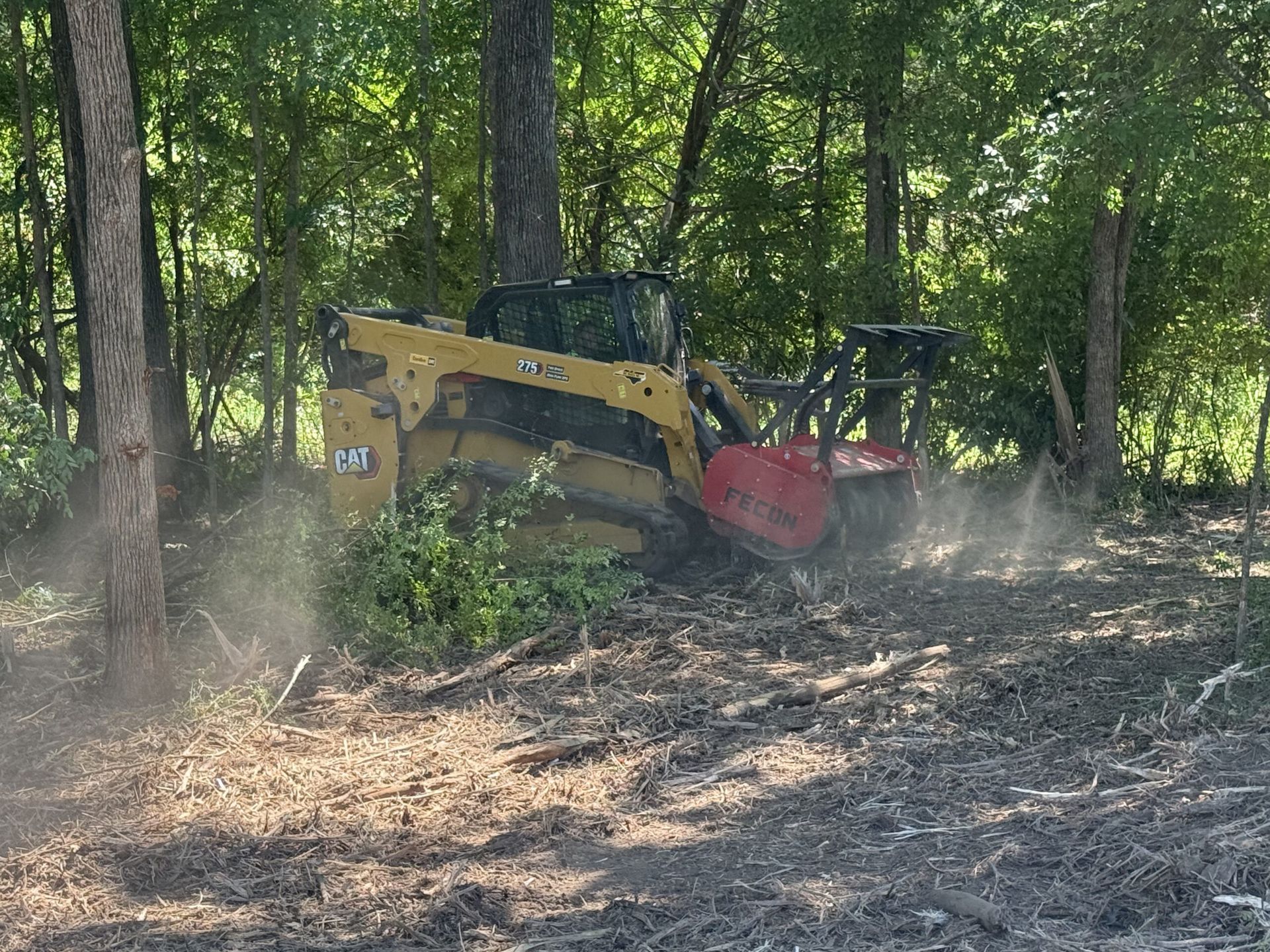
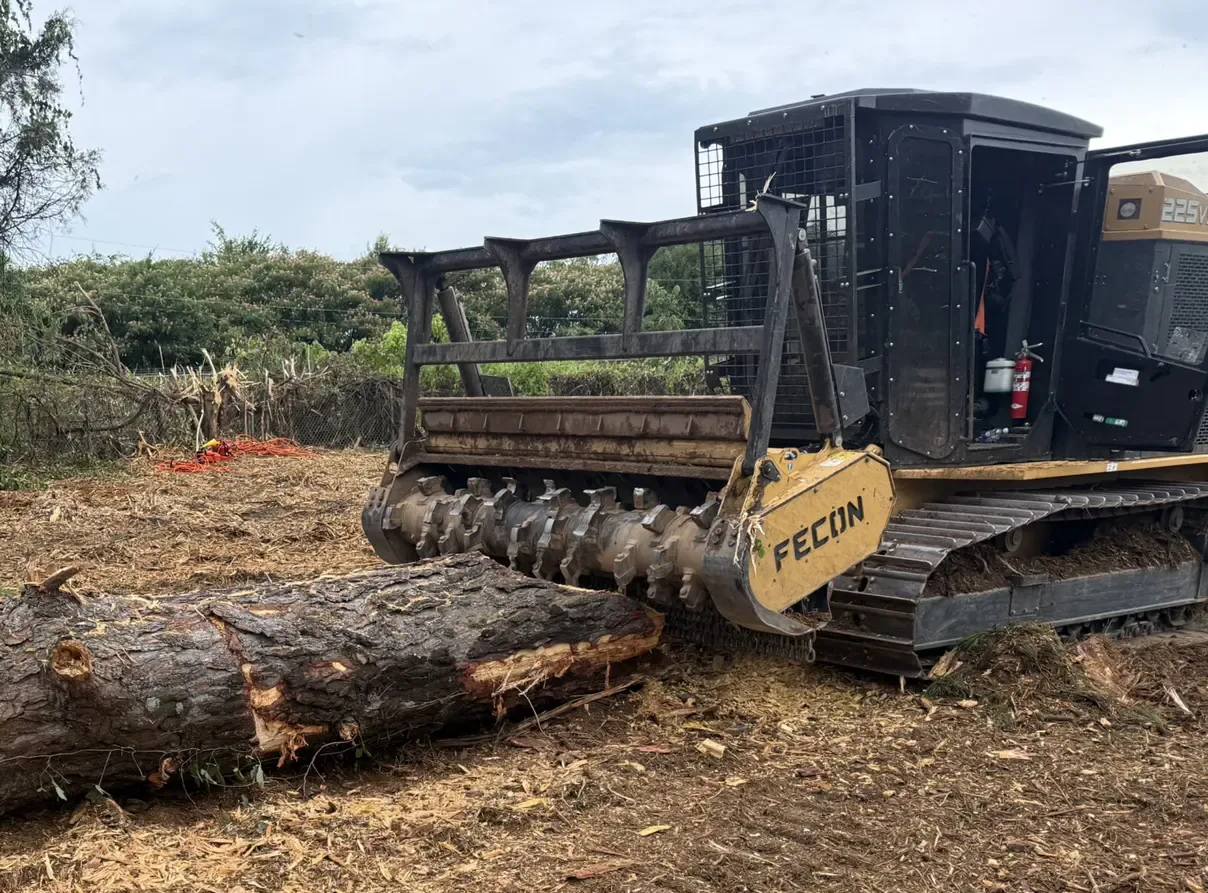
Properties across the Greater Charlotte Metro Area with dense vegetation, steep terrain, or remote building sites need practical access routes before construction equipment, service vehicles, or daily traffic can move safely across the land. Route selection depends on terrain, natural drainage patterns, vegetation that must be cleared, grades that affect traction and erosion, and how the finished road or driveway will be used over time. Keeter Land Management constructs access roads and driveways after evaluating these factors on-site, integrating clearing, grading, and drainage work so the finished route handles anticipated loads without rutting, washouts, or impassable conditions during wet weather.
Building a durable access route involves more than clearing a path and spreading gravel—the base must support vehicle weight without sinking into soft subgrade, the surface must shed water rather than trapping it, and grades must balance accessibility with erosion control. These requirements vary significantly between a residential driveway serving daily passenger vehicles and a farm access road supporting loaded equipment during all seasons.
Schedule a property walkthrough so route options, drainage challenges, and construction methods can be discussed relative to your access needs and site-specific obstacles.
What Durable Access Preparation Requires
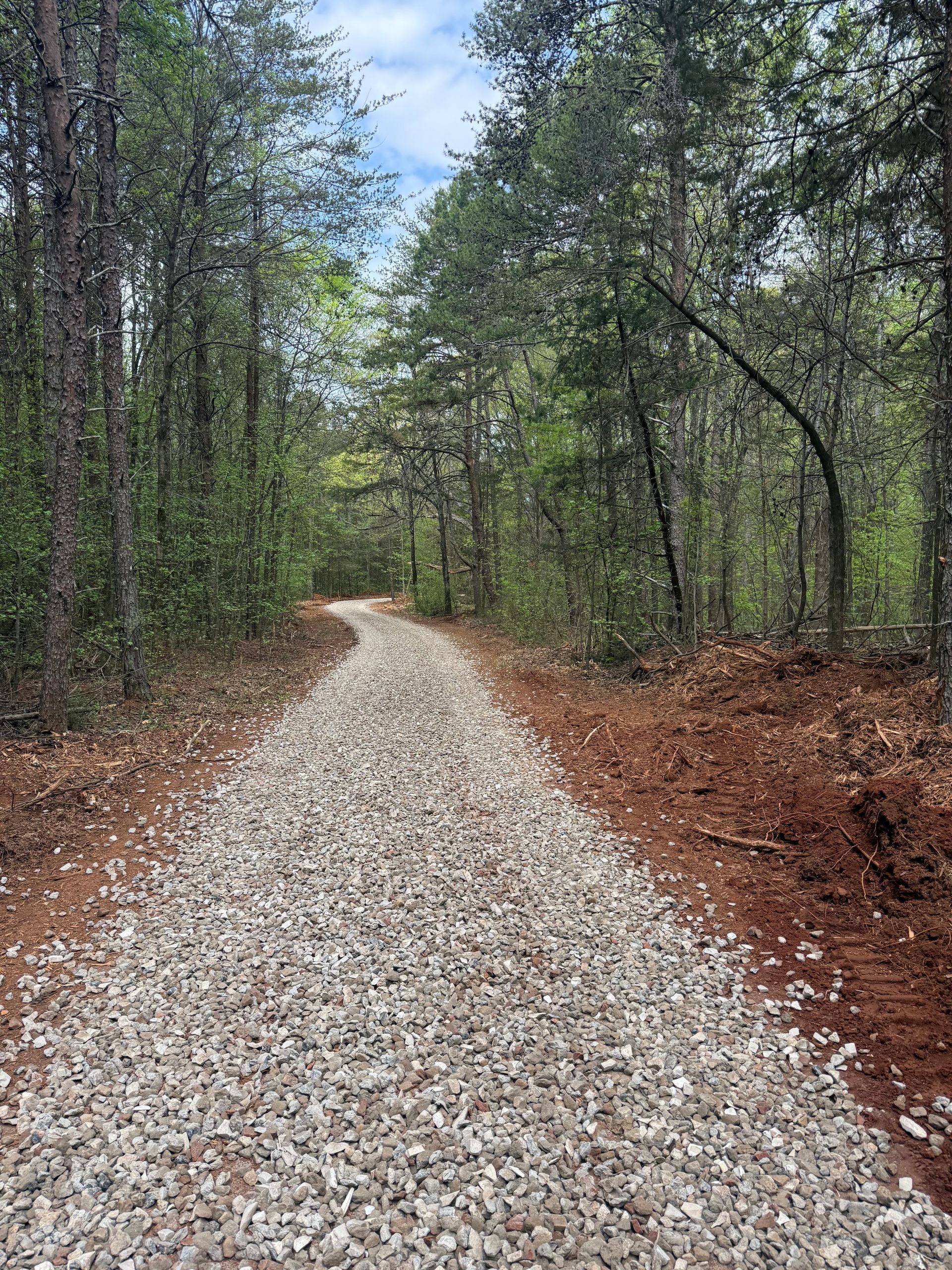
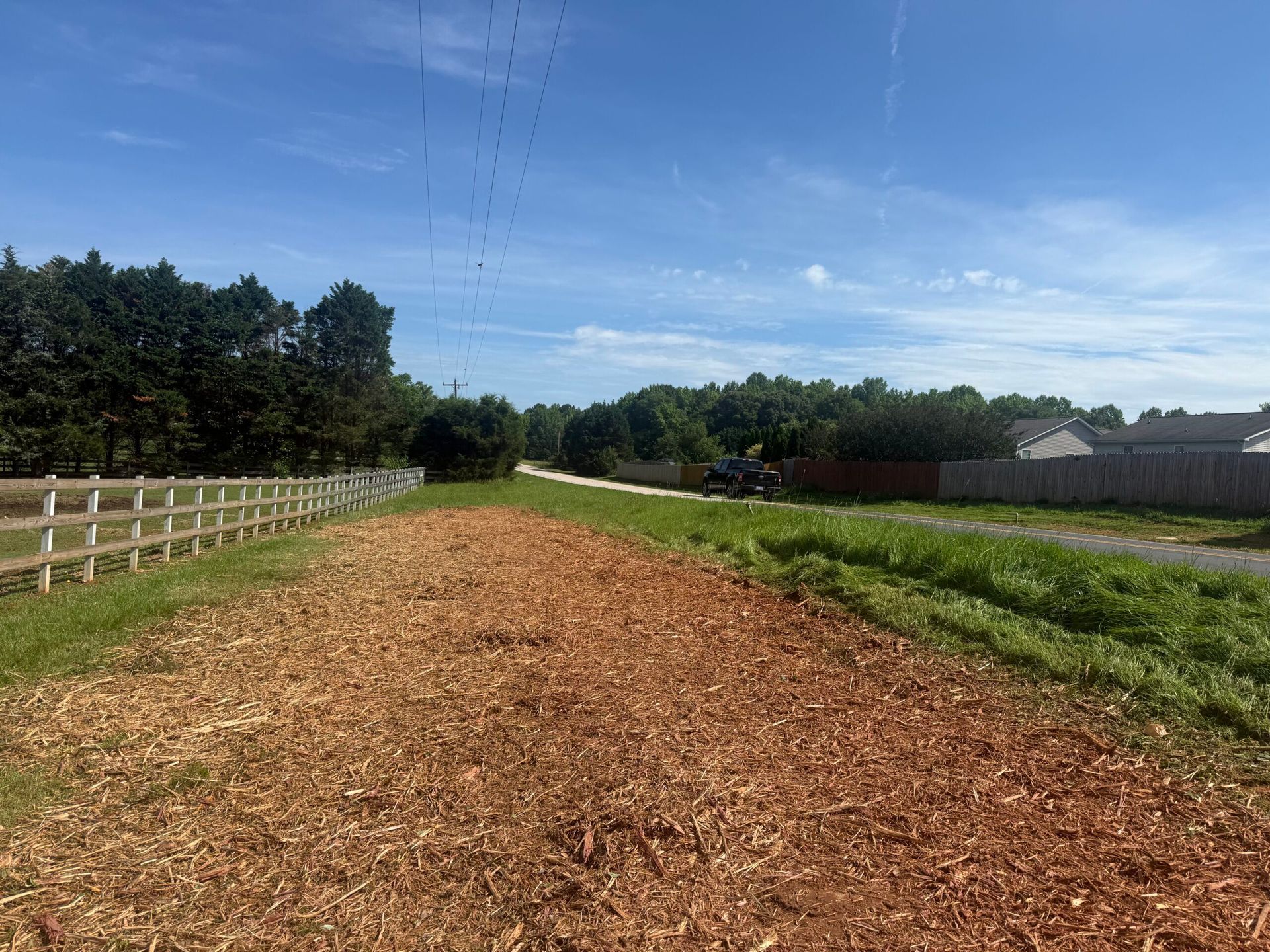
Constructing an access road or driveway begins with clearing vegetation along the planned route, followed by grading to establish proper crown and slope so water drains off the surface rather than pooling or channeling down the roadway. Base preparation involves placing and compacting aggregate in layers, with material type and depth determined by subgrade soil conditions, expected traffic loads, and whether the route crosses wet zones or unstable ground that requires additional stabilization.
Once construction finishes, you drive across a route that remains firm under vehicle weight, sheds runoff during storms, and provides reliable access regardless of season. The road or driveway no longer becomes impassable after rain, develops ruts that trap water and accelerate deterioration, or requires constant regrading to remain usable throughout the year.
Access construction addresses the route itself but does not typically include culvert installation for major drainage crossings, paving over gravel base, or long-term maintenance like periodic stone replenishment—those are separate decisions based on budget, intended traffic volume, and how permanent the access improvement needs to be. What the work delivers is a functional route built to handle the traffic and terrain conditions specific to your property.
Questions Before Starting Your Project
Building access across undeveloped or wooded properties involves planning decisions that affect construction costs, long-term durability, and how well the route integrates with other site improvements. Direct owner involvement ensures these decisions reflect actual property use rather than generic assumptions.
How does terrain affect access road construction?
Slopes, soil stability, existing drainage patterns, and vegetation density determine route feasibility, required clearing width, base depth, and whether switchbacks, culverts, or additional grading become necessary to create a passable, erosion-resistant roadway.
What base materials work best for rural driveways in Marshville?
Crushed stone with angular edges compacts tighter and resists displacement better than rounded gravel, particularly over the clay soils common throughout the region that become slick and unstable when saturated, requiring a stable aggregate base to prevent rutting and surface failure.
When should drainage work happen relative to driveway construction?
Culverts, ditching, and cross-slope grading must be completed before base stone is placed so water has established paths off and away from the roadway, preventing subsurface saturation that weakens the base and accelerates deterioration under traffic loads.
What determines access road width and turning radius?
Anticipated vehicle types, frequency of two-way traffic, and whether the route serves construction equipment, farm machinery, or only passenger vehicles all influence width requirements, with wider roadways demanding more clearing, grading, and base material than minimal single-lane access paths.
How does clearing integrate with driveway layout?
Route clearing should follow the planned centerline and account for sight distance, drainage needs, and equipment turning requirements so vegetation removal supports the final road geometry rather than requiring additional clearing adjustments after grading begins.
Keeter Land Management walks properties with owners to evaluate route options, discuss terrain limitations, and coordinate clearing, grading, and base construction so access roads and driveways meet practical use requirements from the start. Contact the business directly to arrange a site visit and review your access planning needs in detail.