Preparing Unusable Ground for Your Next Step
Land Clearing & Lot Preparation in Marshville for residential lots, neglected acreage, and properties overtaken by dense vegetation
Dense brush, unwanted tree growth, and accumulated site obstacles turn otherwise usable acreage into inaccessible ground that stalls construction, farming plans, and property improvements. Keeter Land Management provides land clearing and lot preparation across the Greater Charlotte Metro Area, removing vegetation and obstacles so the ground is ready for the intended next phase. Property owners facing overgrown residential lots, commercial sites awaiting construction, or neglected farmland rely on this service when surface conditions prevent grading, building, or cultivation.
The clearing approach depends entirely on project goals and terrain—removing select trees while preserving others for a wooded homesite requires different methods than opening an entire commercial lot for equipment staging. What you plan to do with the cleared ground, along with slope, soil type, and existing vegetation density, determines which equipment moves across the property and how thoroughly root systems and debris are addressed.
Schedule a property walkthrough so the scope, terrain conditions, and finish requirements can be reviewed on-site and detailed in your estimate.
What the Ground Looks Like After Clearing
Owner-operated clearing means the equipment operator evaluating your property is the same person running the machinery, so decisions about which vegetation stays, where material gets staged, and how the surface finish should look are made in real time rather than relayed through multiple people. This direct involvement matters when clearing must accommodate future grading zones, preserve specific trees, or avoid disturbing sections marked for different treatment.
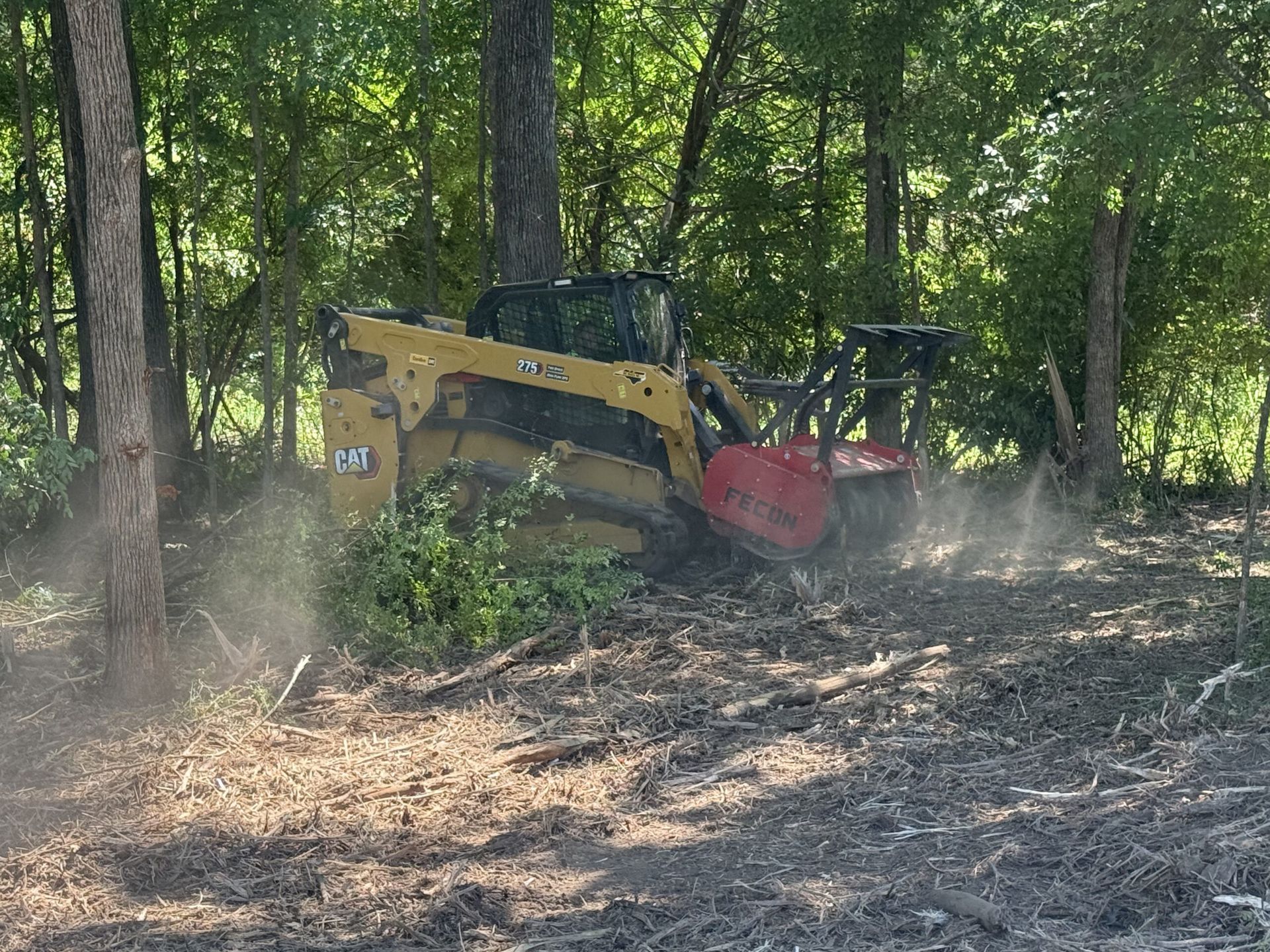
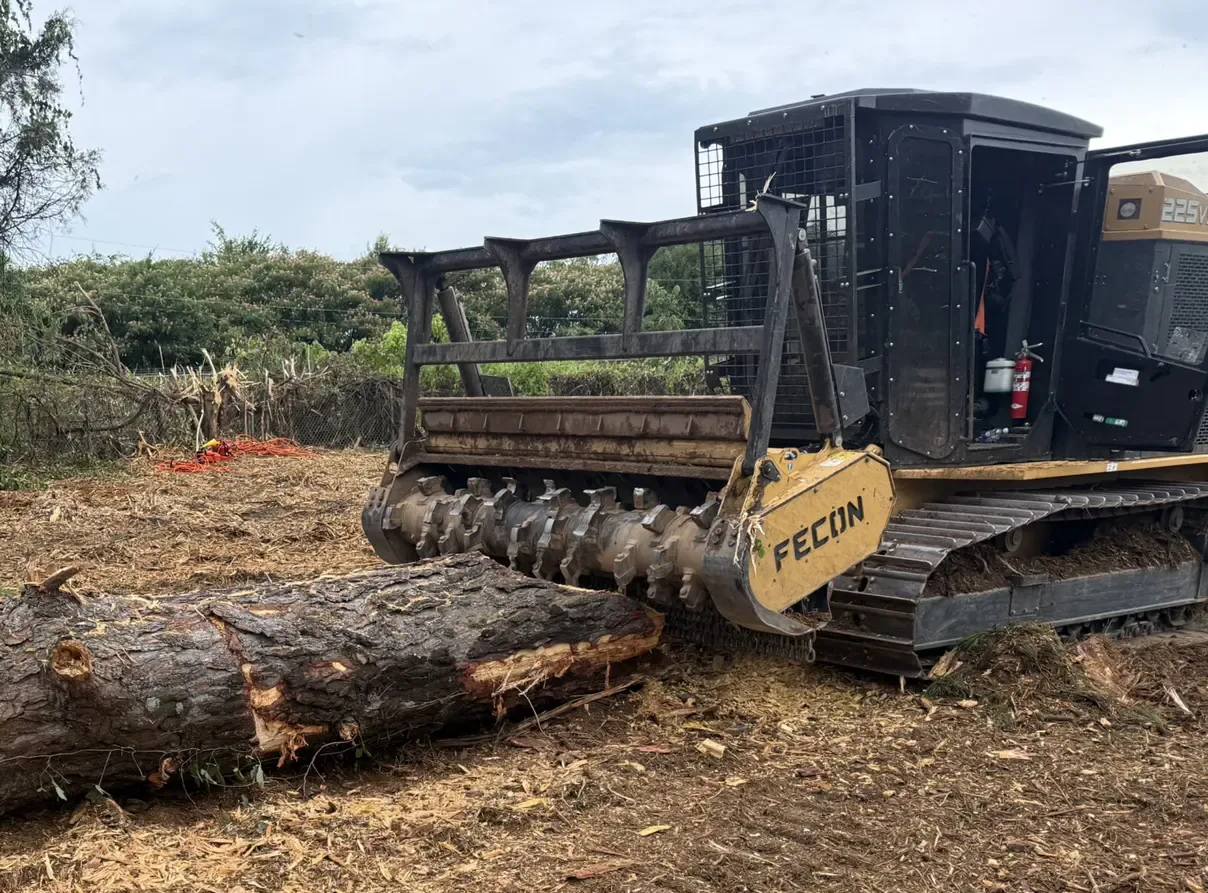
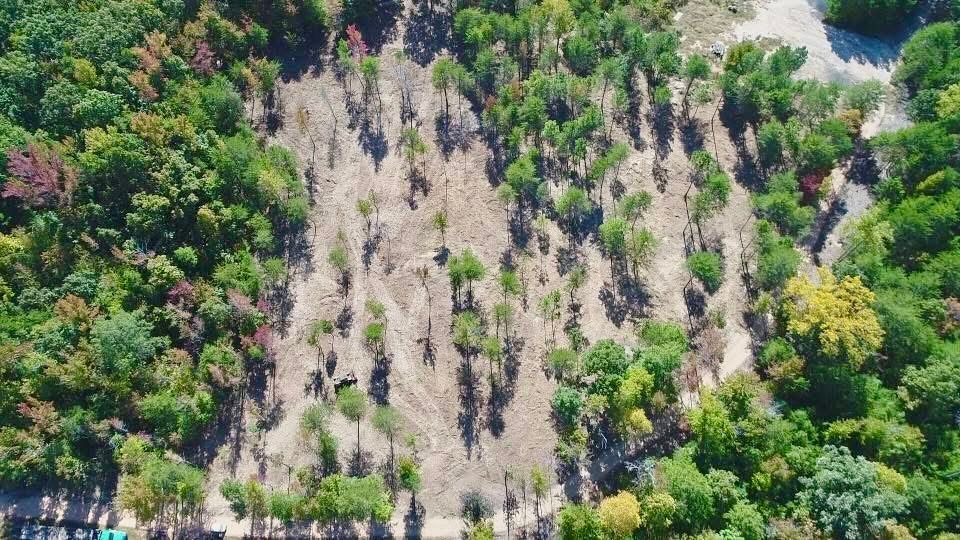
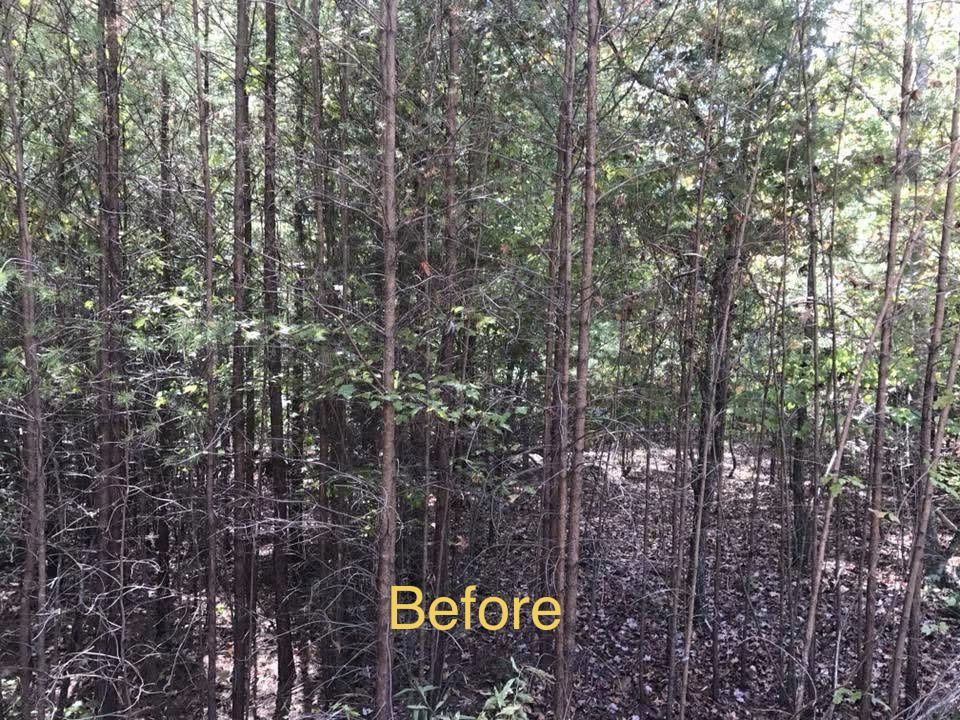
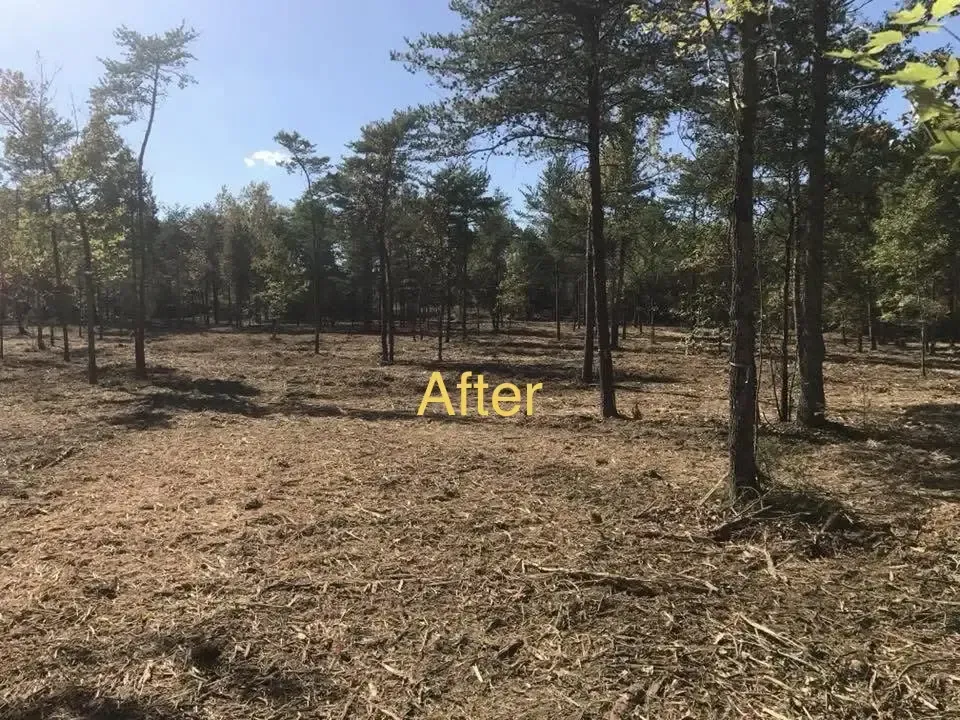
After clearing finishes, you see defined boundaries where dense vegetation stood, obstacles that blocked access or construction removed, and a surface condition that supports the next phase without additional debris cleanup. The ground no longer hides drainage problems, soil inconsistencies, or subsurface obstacles that would interfere with grading, foundation work, or access road construction.
Clearing prepares the site but does not create final grades, remove all subsurface root masses, or establish drainage paths—those steps follow separately depending on what the property will support. What clearing does is expose the actual working surface so planning for construction, excavation, or agricultural use starts with accurate ground conditions rather than assumptions made through overgrowth.
What Landowners Ask Before Clearing Begins
Clearing a lot or acreage in Marshville involves decisions about how vegetation is processed, what gets removed entirely versus cut at ground level, and how the finished surface supports your timeline and budget. These questions reflect common planning concerns.
How does terrain affect the clearing process?
Slope, soil stability, and wet areas determine which equipment can operate safely and whether certain sections require staged clearing to prevent erosion or rutting before the ground is stabilized.
What happens to trees and brush after they are removed?
Material can be mulched on-site, staged in piles for later removal, hauled off entirely, or processed into usable chips depending on volume, project budget, and whether you want organic material left to decompose naturally.
When should clearing happen relative to grading or construction?
Clearing first exposes the actual ground so grading plans reflect real elevations and soil conditions, but timing depends on whether utilities, access roads, or drainage work must precede heavy grading equipment.
What determines whether stumps are removed during clearing?
If the cleared area will be graded, paved, or built on, stumps and root systems must be extracted so subsurface voids and decomposing wood do not compromise stability—surface clearing alone leaves obstacles that interfere with later work.
How is dense undergrowth handled on wooded residential lots?
Selective clearing removes invasive species, thick brush, and small volunteer trees while leaving mature specimens intact, but the finished look depends on how much sunlight, sightlines, and usable space you want versus preserving a natural wooded character.
Keeter Land Management evaluates vegetation type, property layout, and intended land use during the walkthrough so clearing methods align with the next construction or site improvement phase. Request a property assessment to establish clearing boundaries, material handling preferences, and finish expectations before equipment arrives.