Defensible Space Built Around Rural Property
Wildfire Protection & Firebreak Creation in Marshville for wooded acreage where combustible vegetation increases seasonal fire risk
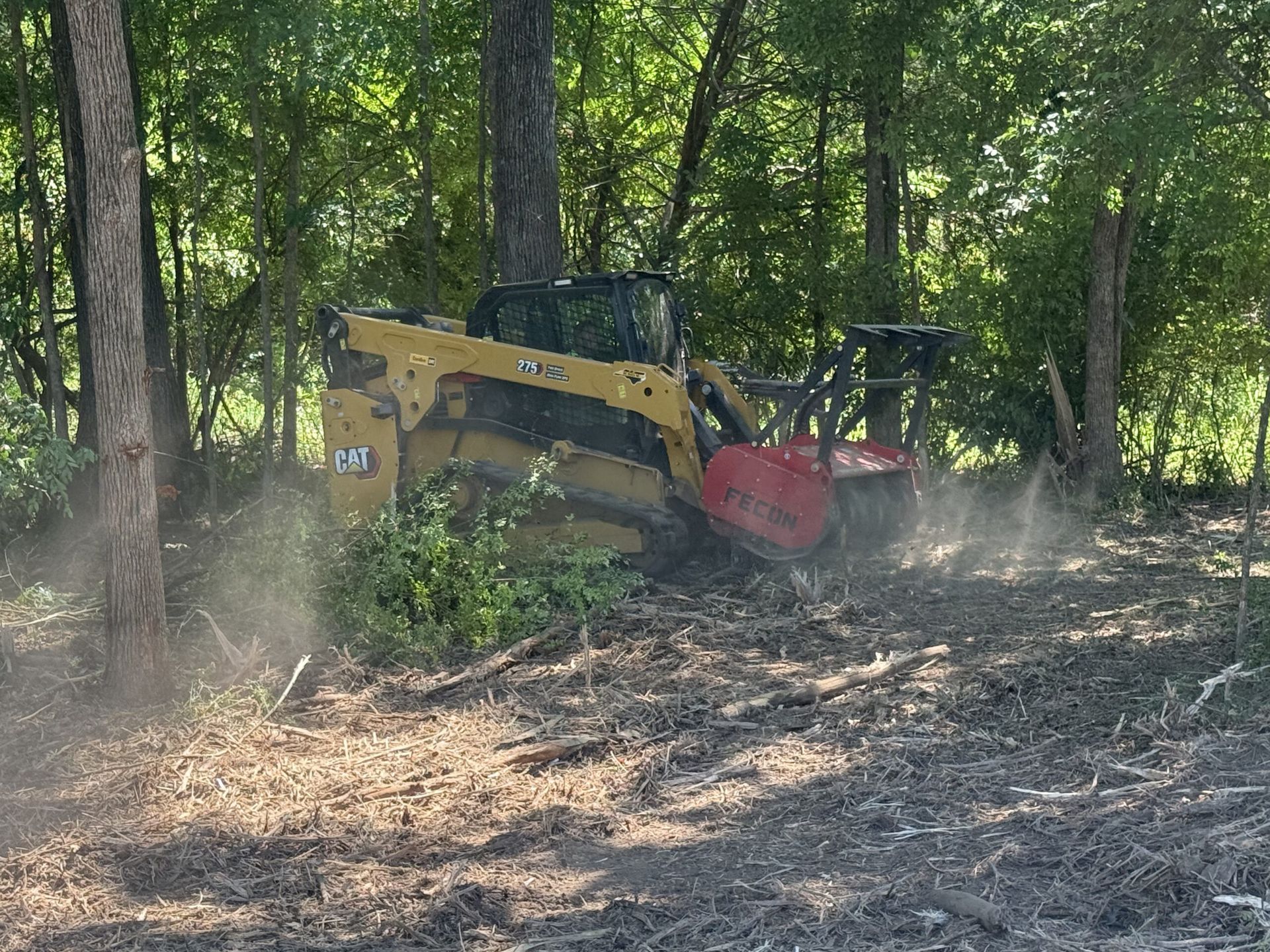
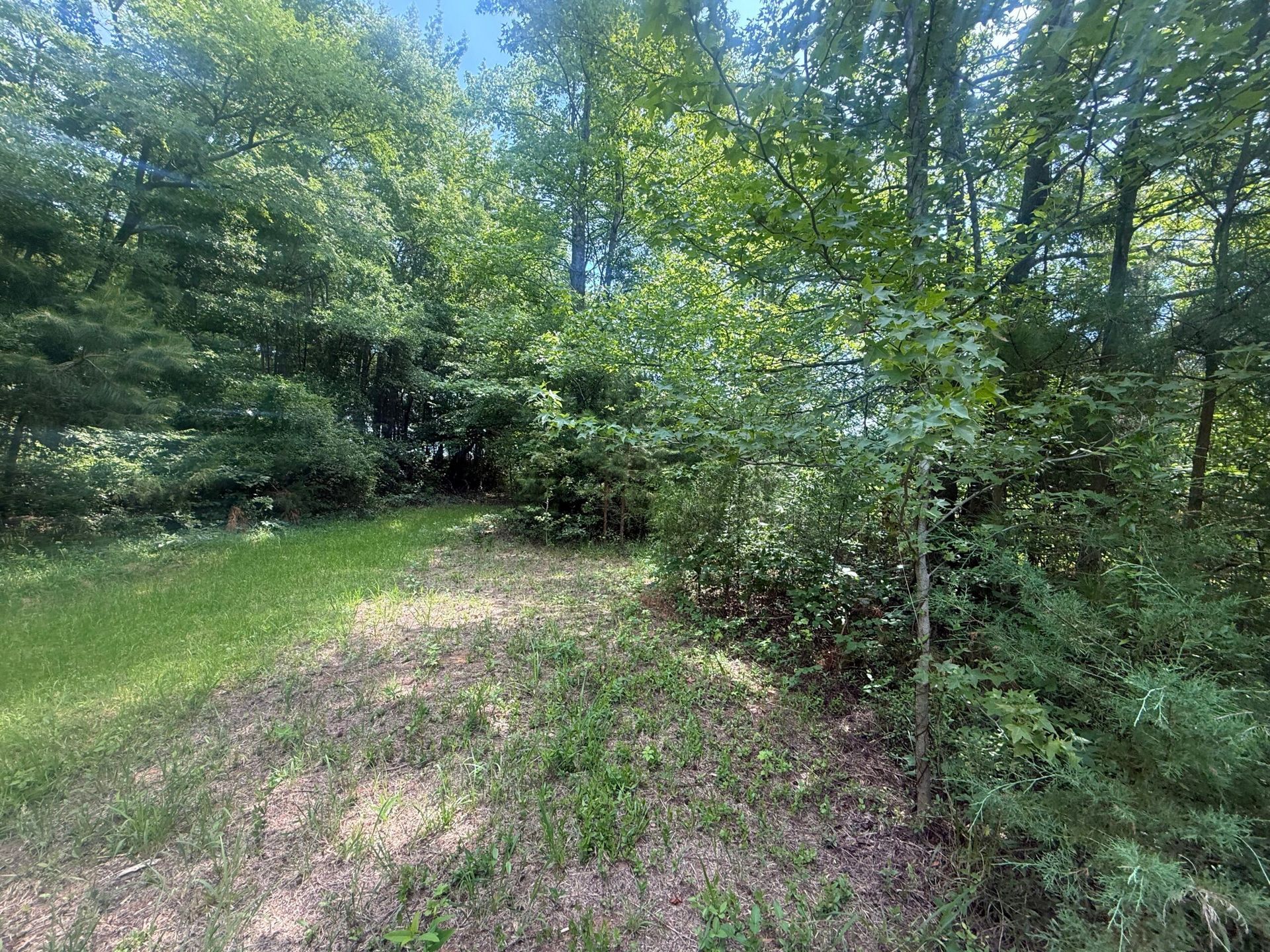
Dry seasonal conditions across the Carolinas create periods when accumulated brush, leaf litter, and dense undergrowth become available fuel during wildfire events. Keeter Land Management addresses vegetation thinning, forestry mulching, and firebreak creation on rural property in the Greater Charlotte Metro Area and Marshville to reduce combustible material and improve defensible space around structures, access routes, and property boundaries. The work removes or manages vegetation in corridors where fuel continuity would otherwise allow fire to spread rapidly across wooded terrain.
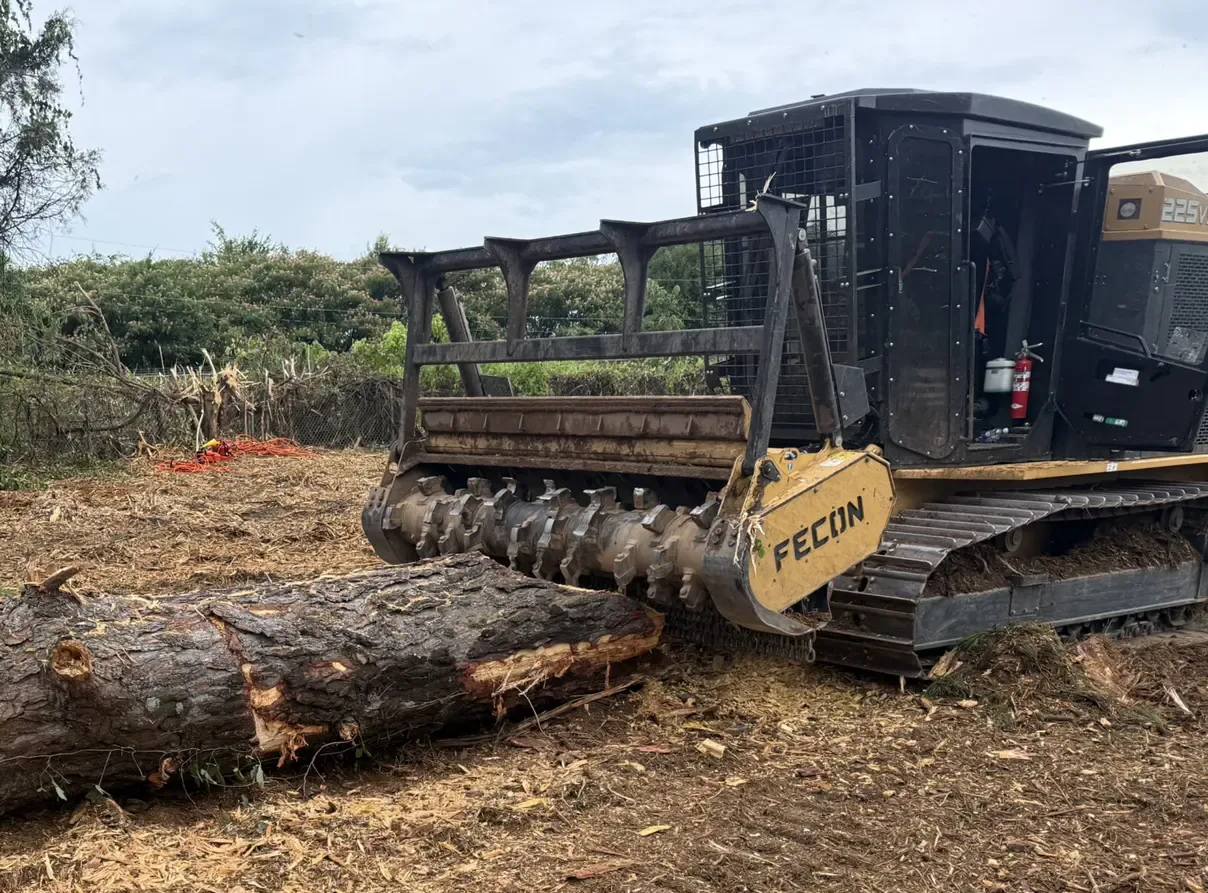
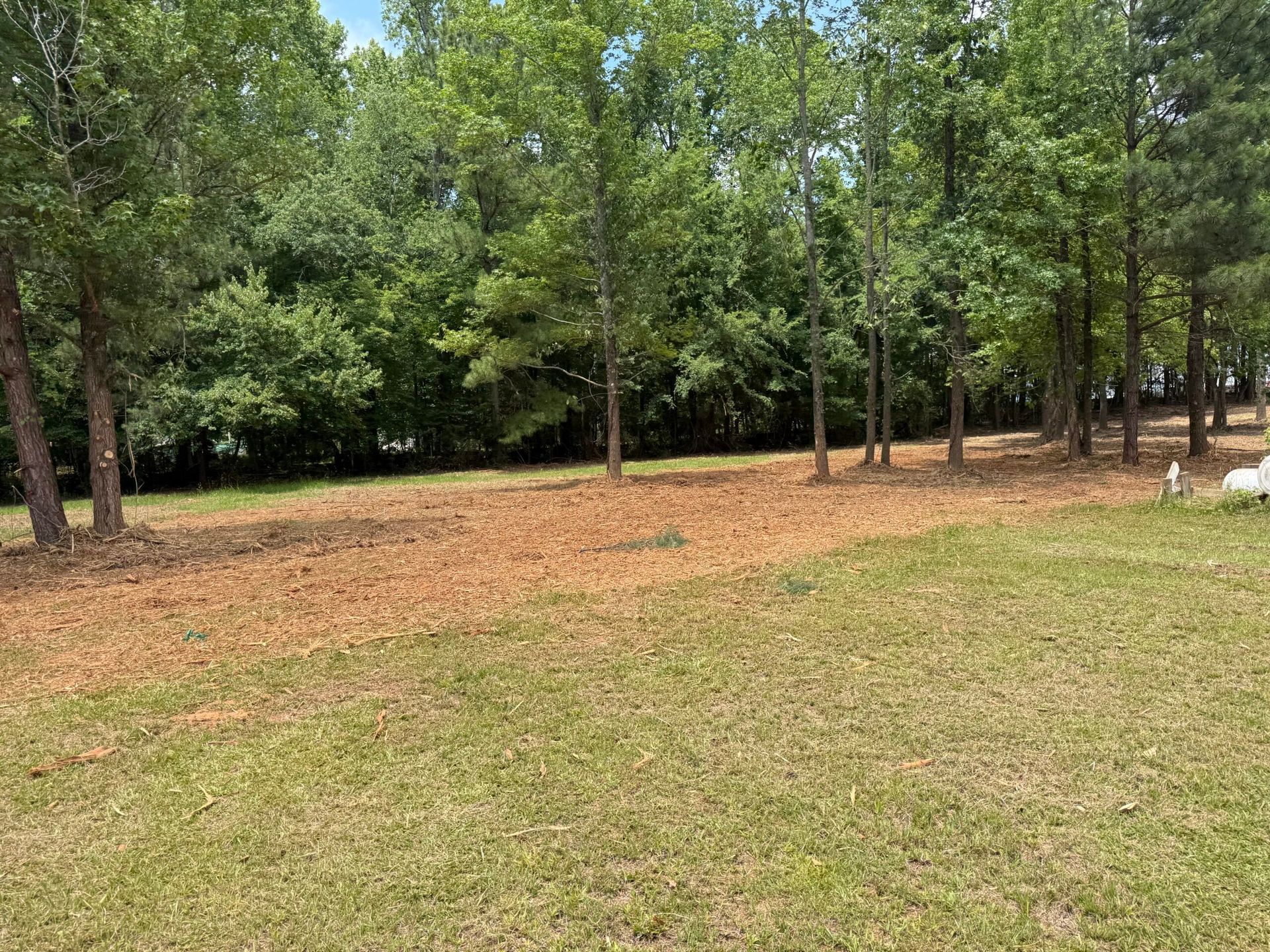
Firebreak creation involves clearing strips of land down to mineral soil or reducing vegetation to heights and densities that limit flame intensity and rate of spread. Forestry mulching processes standing brush and small trees into ground-level organic debris that decomposes rather than accumulating as dry fuel. Vegetation thinning opens tree canopies and removes ladder fuels that carry ground fire into upper branches.
Arrange a property-specific fuel-load assessment to identify vegetation density and clearing priorities for your acreage.
What Proper Fuel Reduction Requires
Effective firebreak work removes or reduces vegetation in strategic locations rather than clearing entire properties. Corridors along property lines, around structures, and beside access roads receive priority because these areas either contain high-value assets or provide routes for emergency vehicle movement. The width and clearing intensity depend on slope, prevailing wind patterns, and existing vegetation type.
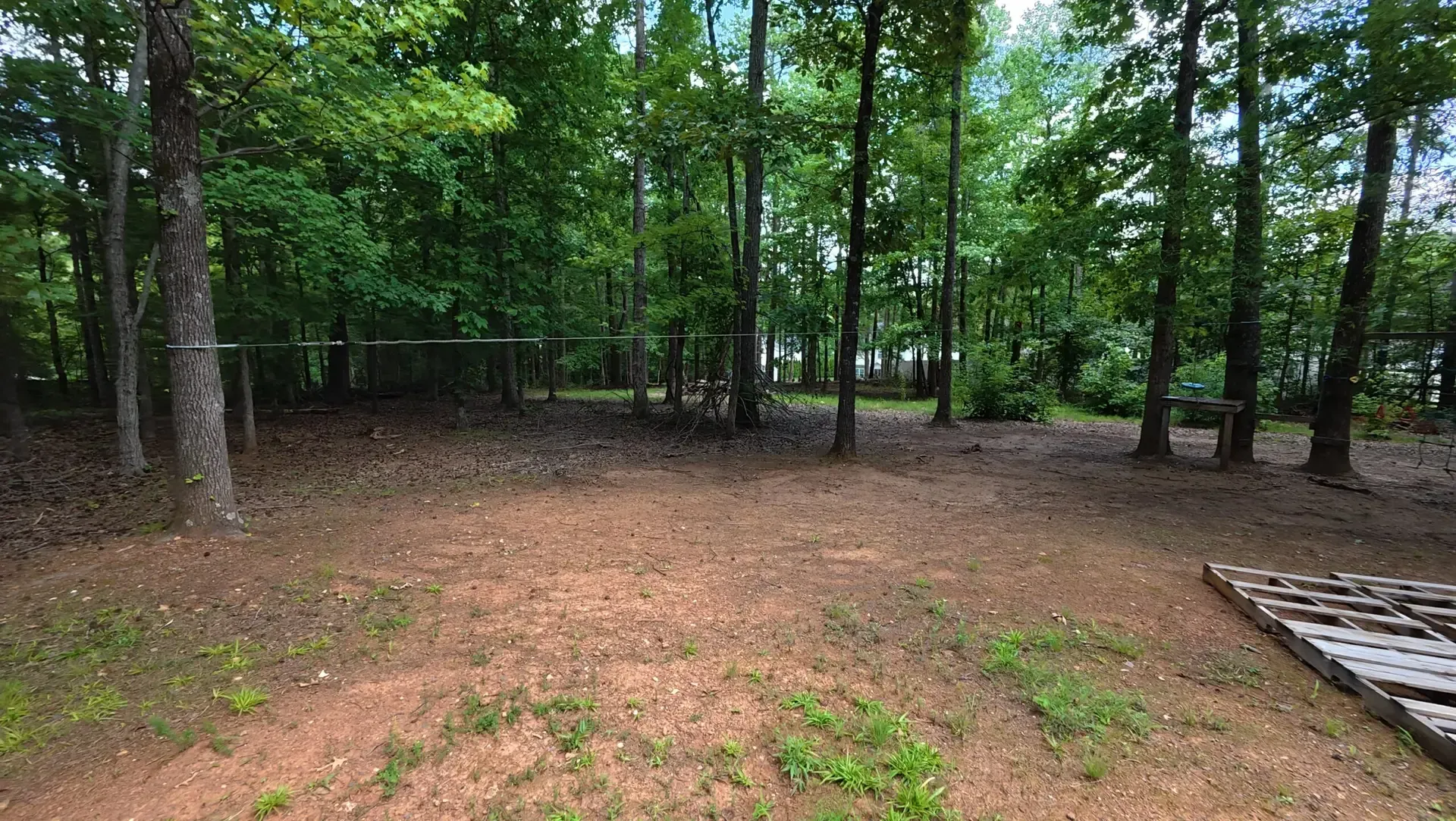
You notice cleared corridors where previously tangled undergrowth and overlapping branches created continuous fuel paths. Tree spacing increases where thinning removes smaller diameter growth, and ground-level vegetation stays low enough that flame lengths remain manageable during dry periods. Mulched material left on the surface breaks down into soil rather than building up as dry debris that ignites easily.
Firebreak maintenance becomes necessary as vegetation regrows, particularly in areas with aggressive species or high rainfall that accelerates plant recovery. Seasonal timing affects how quickly cleared areas return to dense growth, with spring and summer clearing followed by faster regrowth than work completed during dormant months. Keeter Land Management discusses maintenance intervals during initial planning to align clearing schedules with your property-management approach.
Common Questions About This Service
Landowners managing wooded acreage often want to understand how fuel reduction fits into broader property planning.
What width should firebreaks be on sloped terrain?
Slope increases fire spread rates, so breaks on inclines typically run wider than those on flat ground, often extending fifteen to thirty feet depending on grade steepness and vegetation type present before clearing.
How does vegetation thinning differ from complete clearing?
Thinning removes selected trees and understory growth to reduce fuel density while leaving enough canopy cover to stabilize soil and maintain windbreaks, whereas complete clearing takes all vegetation down to bare ground or short grass.
When is the best time to create firebreaks in the Carolinas?
Late winter and early spring allow clearing before seasonal growth begins, giving vegetation less time to recover before peak fire season arrives in late summer and fall when drought conditions typically develop across Marshville and surrounding counties.
What types of vegetation act as ladder fuels?
Shrubs, vines, and low tree branches that connect ground-level plants to upper canopies create vertical fuel paths that carry flames upward, transforming surface fires into crown fires that spread faster and generate higher heat.
How often do cleared firebreaks need maintenance?
Regrowth rates vary by species and rainfall, but most cleared corridors require follow-up work every two to three years to prevent vegetation from returning to densities that compromise the break's effectiveness.
Fuel-load conditions and fire-spread risk vary across properties based on topography, vegetation composition, and proximity to structures or roadways. Keeter Land Management walks wooded acreage to identify clearing priorities and firebreak placement that addresses site-specific conditions. Contact our team to schedule an on-site fuel assessment tailored to your property layout and seasonal risk factors.