Pathways That Open Wooded Acreage
Trail Building & Land Access in Marshville for owners needing to reach interior sections of forested or overgrown property
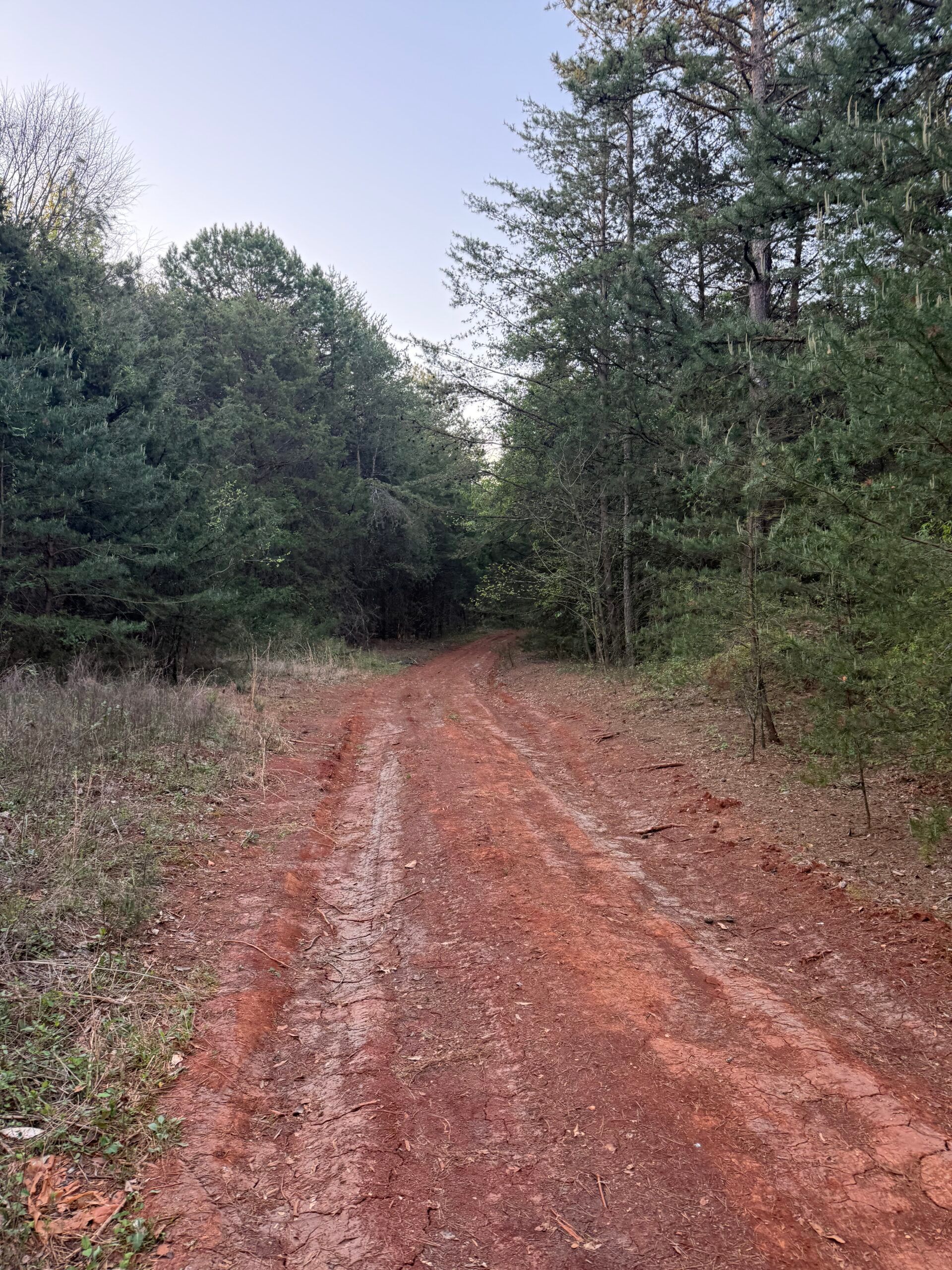
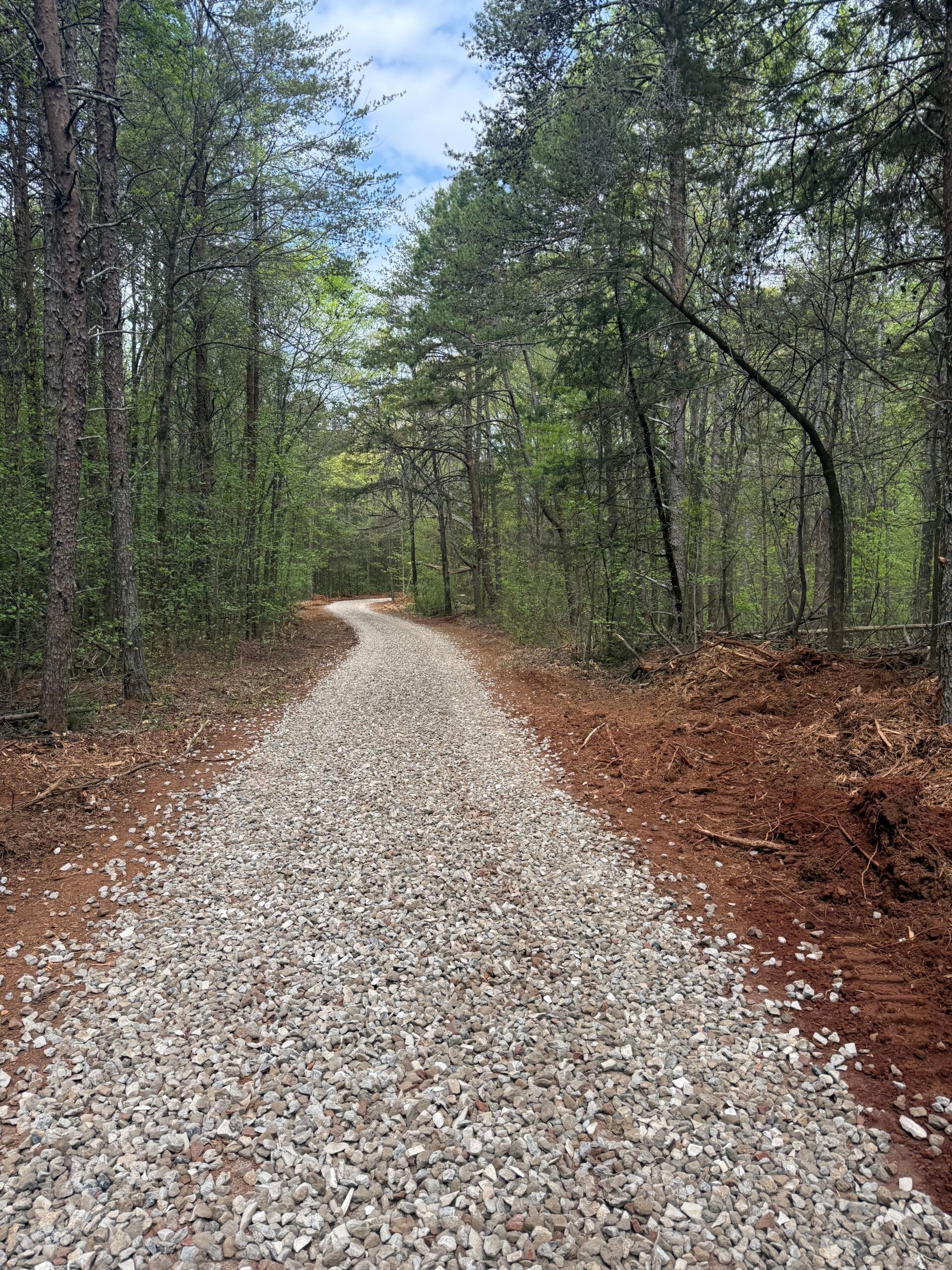
Heavily wooded or overgrown acreage often leaves large portions of your property inaccessible for maintenance, hunting, recreation, or future development. Keeter Land Management builds trails by selecting practical routes through existing terrain, then clearing and shaping corridors that provide dependable access without extensive excavation. In the Greater Charlotte Metro Area, where mature hardwoods, thick undergrowth, and rolling topography are common, trail placement depends on balancing your intended use with natural features like drainage patterns, slope stability, and vegetation density.
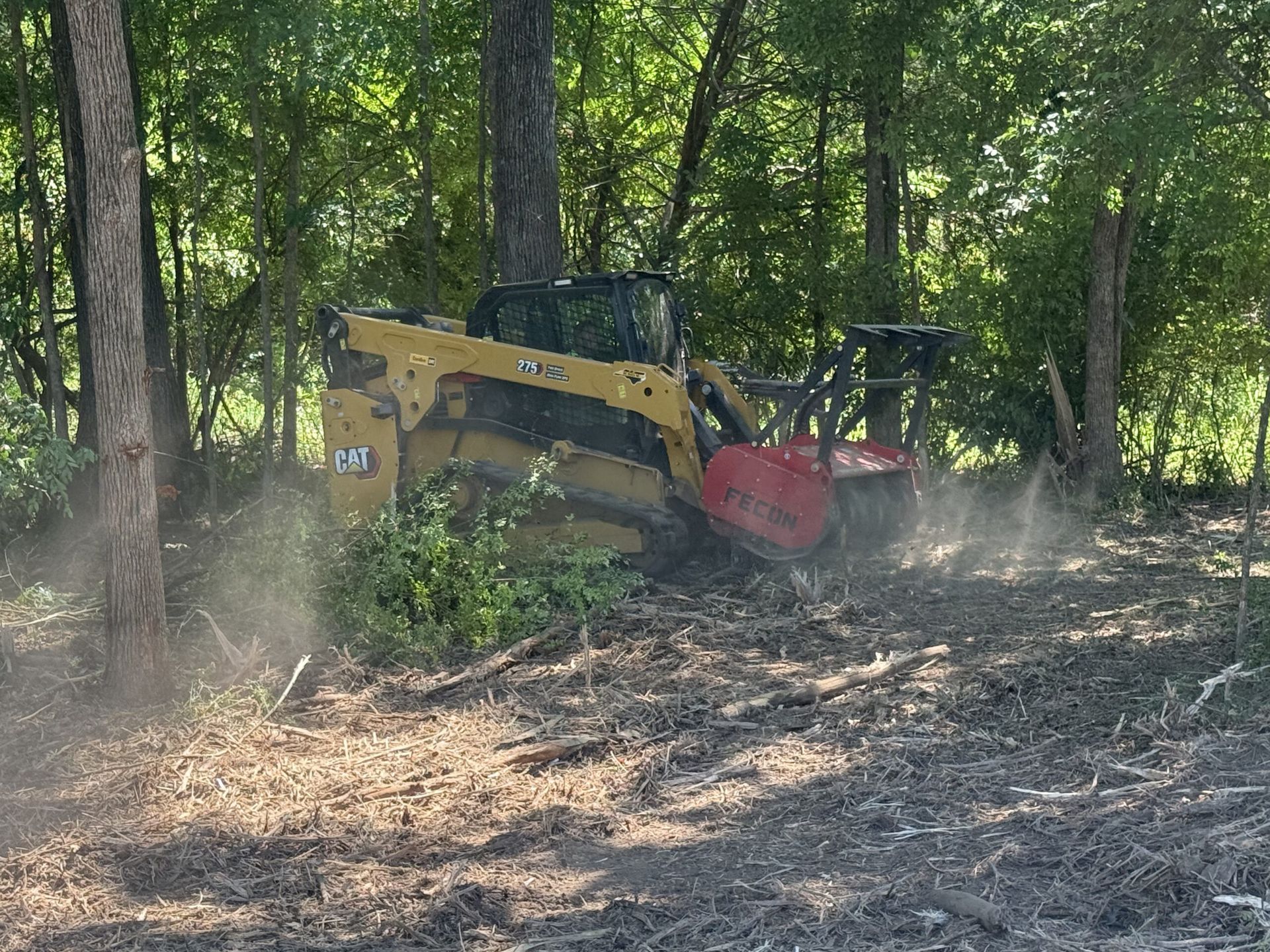
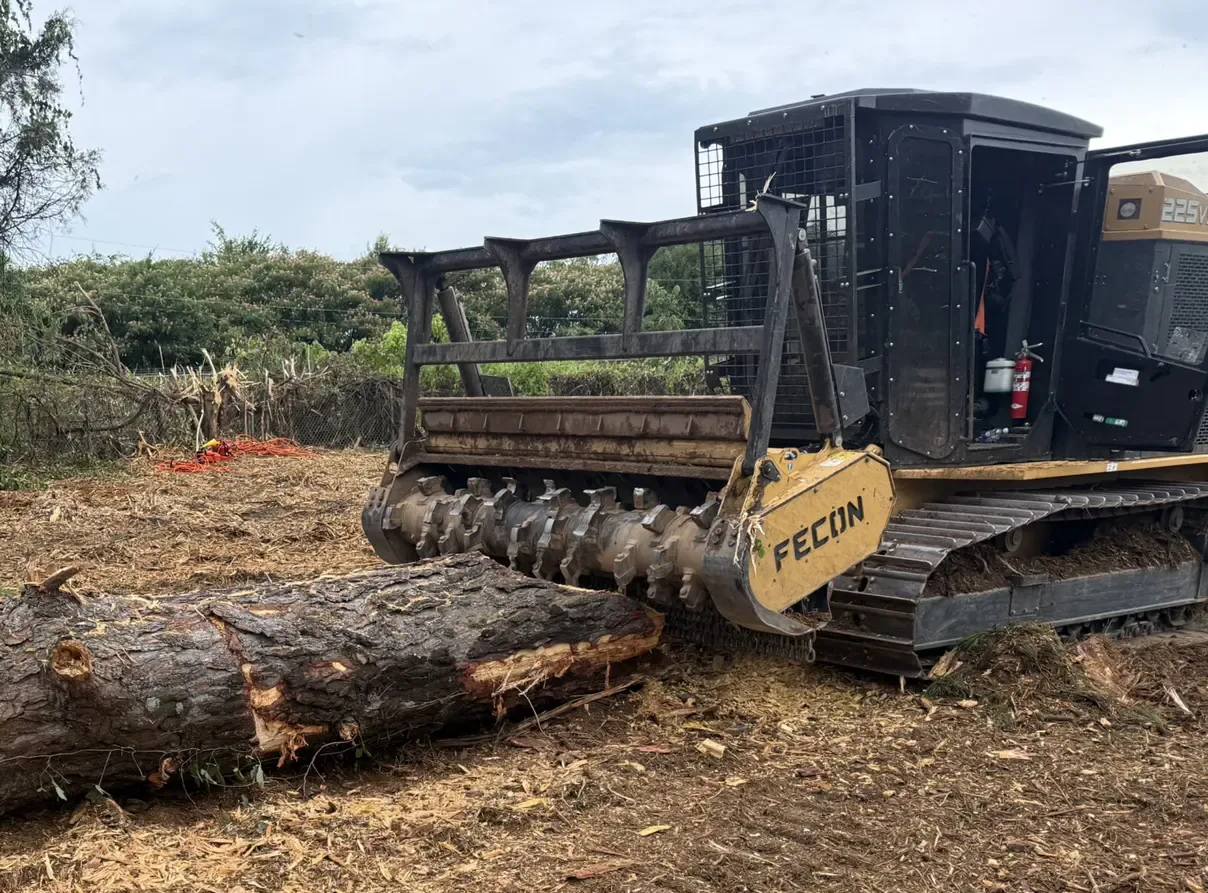
The process begins by walking your land to evaluate possible routes, avoiding wet areas, steep grades, and obstacles that would require excessive clearing or grading. Once a path is chosen, brush, saplings, and low-hanging branches are removed to establish a corridor wide enough for foot traffic, ATV use, or maintenance equipment, depending on your needs. Where ground is uneven or prone to erosion, light grading smooths the surface and directs water off the trail bed, while forestry mulching can clear wider sections efficiently if you want room for equipment or multiple users.
Walk the proposed route with Derrick before finalizing the project plan and pricing.
Route Selection and Corridor Development
Trail placement requires more than cutting a straight line from one point to another. The route must work with slope angles to prevent erosion, avoid wet soils that stay muddy, and navigate around large trees or rock outcrops without creating chokepoints. Width depends on intended use—a walking path may only need four feet of clearance, while ATV or tractor access requires eight to ten feet to allow safe turning and seasonal vegetation growth without constant maintenance.
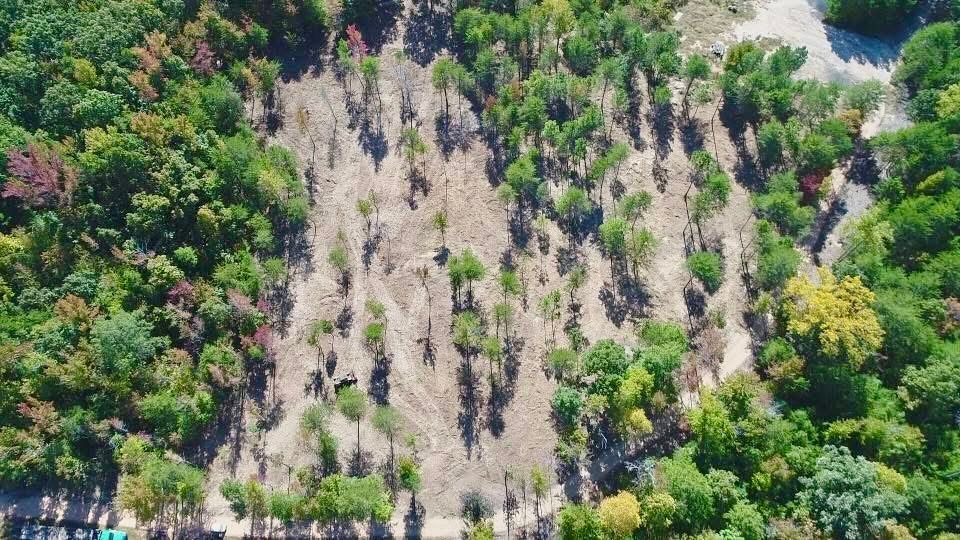
Once clearing is complete, you'll notice a stable corridor that remains passable after rain, with vegetation controlled enough to prevent rapid regrowth from blocking access. Trails built with attention to drainage and terrain hold their shape across seasons, letting you reach interior acreage for timber management, wildlife observation, or future clearing without fighting brush or dealing with impassable mud. Keeter Land Management integrates trail building with broader land management goals, so access routes support forestry work, property maintenance, or recreational use as your plans develop.
This service focuses on establishing functional corridors rather than finished recreational trails with signage, surfacing, or landscaping. If your property has significant elevation changes, rocky soil, or stream crossings, those features will influence route selection and may require additional grading or stabilization work beyond basic clearing.
Questions About Building Access Routes
Trail projects vary widely depending on terrain, vegetation, and how you plan to use the finished corridor, so owners typically want to understand what affects routing and long-term usability.
How do you choose the best trail route?
The decision involves walking the property to evaluate slope direction, soil drainage, vegetation density, and destination points, then selecting a path that minimizes steep grades and wet areas while reaching your target location with the least clearing and grading effort.
What width should a trail be for different uses?
Walking paths work at four to five feet wide, ATV trails need six to eight feet for safe turning, and equipment access for mowing or hauling requires ten feet or more to accommodate wider machines and seasonal vegetation encroachment without constant maintenance.
When is grading necessary for trail building?
Grading smooths uneven ground, reduces erosion on slopes by directing water off the trail bed, and removes obstacles like exposed roots or rocks that would make travel difficult, especially where ATV or tractor use is planned.
How does trail clearing differ from full land clearing in Marshville?
Trail work removes only the vegetation within a defined corridor, leaving surrounding forest intact, whereas full clearing opens entire sections of acreage—trail building is selective and route-specific rather than area-wide.
Will the trail stay open or require ongoing maintenance?
A properly cleared and graded trail with good drainage resists rapid regrowth, but all trails need periodic brushing to control saplings and vines, especially in the first few years before canopy shade limits ground-level vegetation.
Keeter Land Management plans trail routes based on your property's terrain and intended use. Contact Derrick at (704) 993-7919 to walk the proposed corridor and discuss clearing requirements before the project begins.