Turning Overgrown Ground Into Usable Space
Backyard Expansions & Property Restoration in Marshville for homeowners reclaiming brushy or neglected areas behind the house
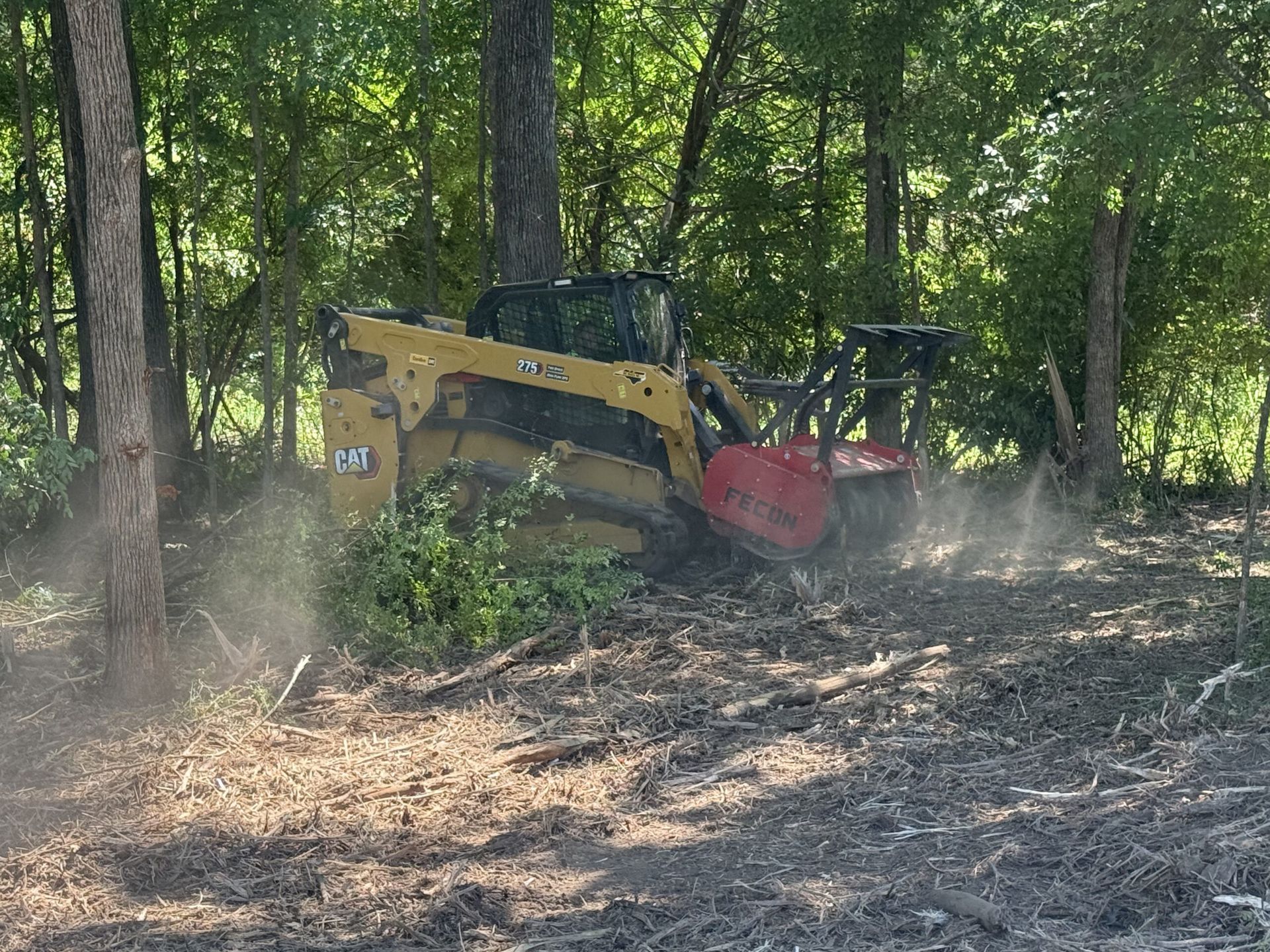
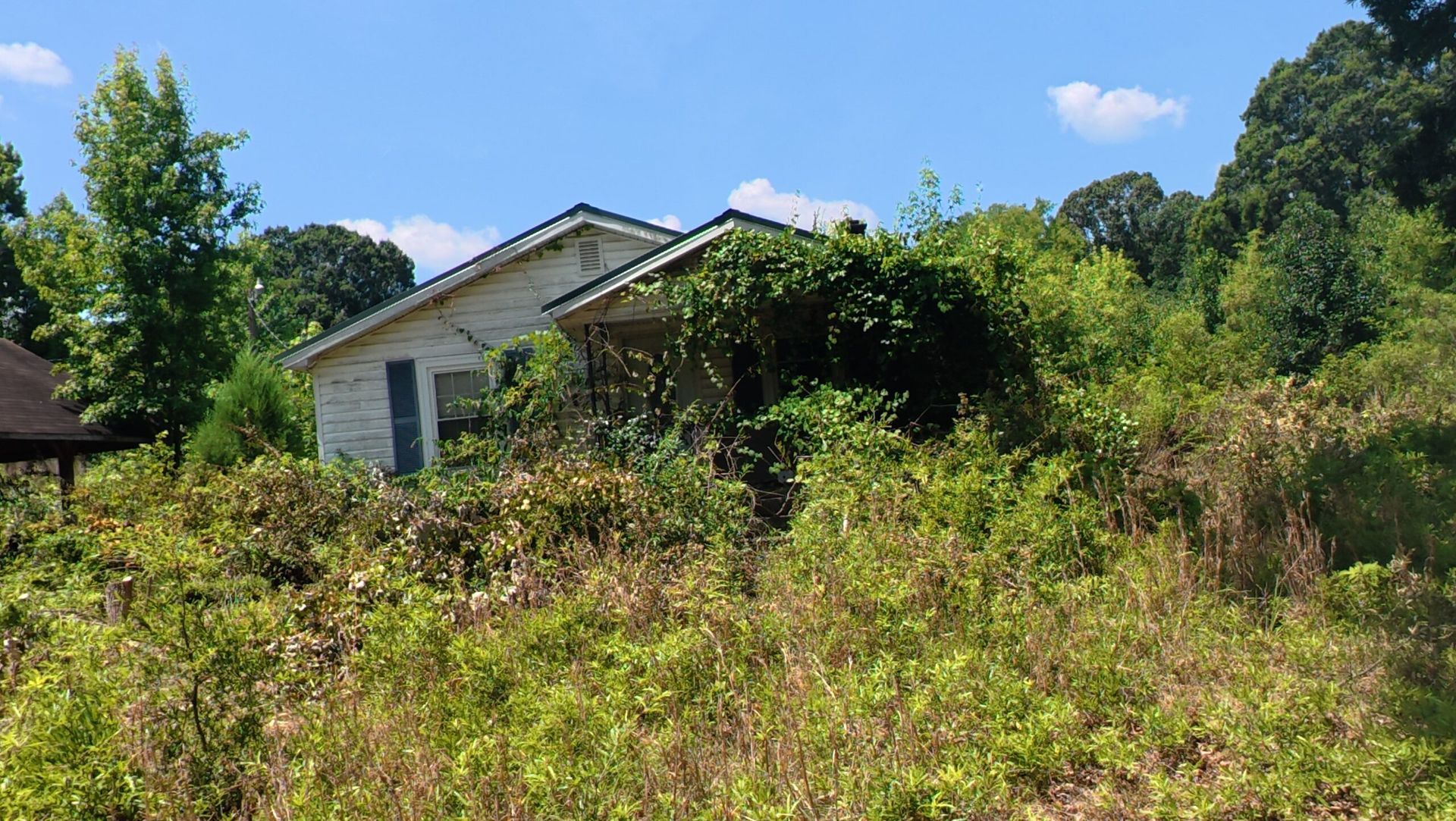
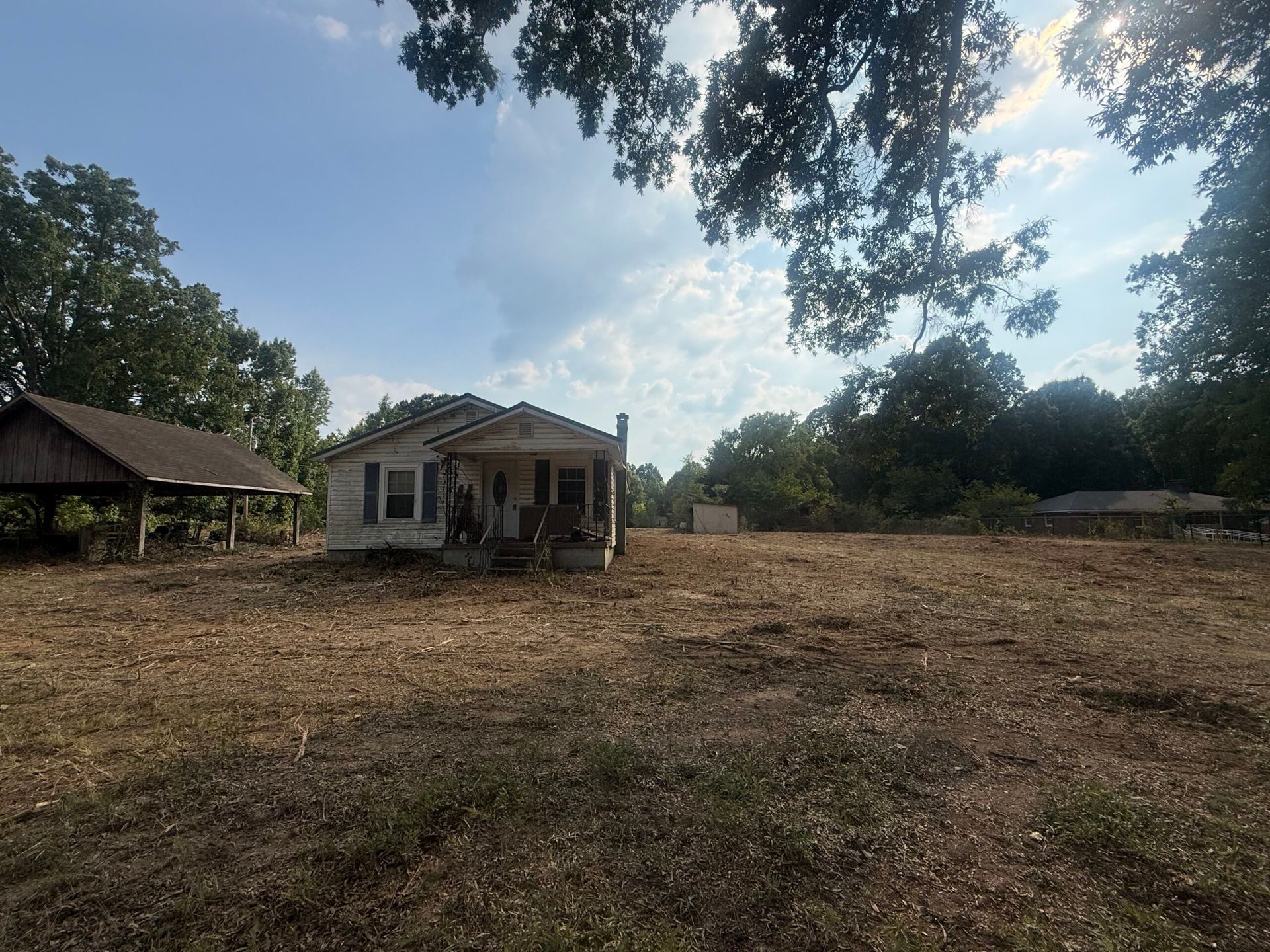
Brushy, wooded, or neglected sections of residential property often sit unused because thick undergrowth, fallen limbs, and uneven ground make the area difficult to access or enjoy. Selective clearing, forestry mulching, stump removal, and light grading combine to restore usable space, but the approach depends on your property's terrain, soil conditions, and what you intend to do with the reclaimed ground. Keeter Land Management works with homeowners in the Greater Charlotte Metro Area to open backyard acreage without stripping the land or promising finished landscaping—this service creates accessible, stable ground that you can seed, mow, or develop further based on your plans.
The work begins with evaluating which vegetation should be removed and which trees or features should remain, then clearing brush and saplings that block access or create visual clutter. If drainage concerns exist—common on sloped lots or areas where water pools—light grading redirects runoff before it washes soil or creates muddy zones. Stumps can be ground flush with the surface or left low enough to mow over, depending on whether you plan to plant grass or use the area for storage, equipment, or future structures.
Request an on-site walkthrough to identify which sections of your property can be reclaimed and what clearing methods fit the terrain.
What Property Restoration Actually Involves
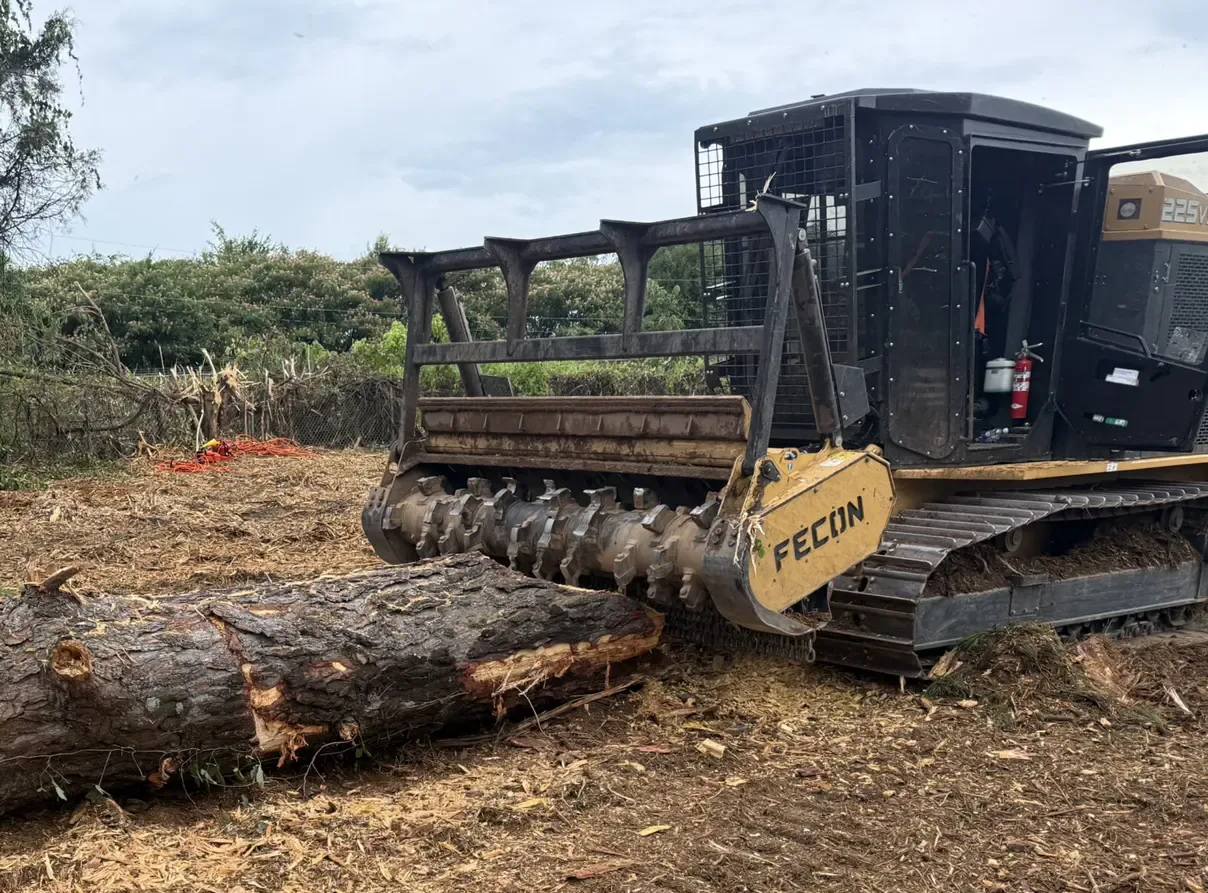
Restoration work removes the obstacles preventing you from using backyard space—vines choking trees, thickets blocking pathways, uneven ground making mowing impossible, or poor drainage leaving sections soggy most of the year. Forestry mulching handles dense brush efficiently by grinding vegetation into mulch that stays on-site, while selective hand clearing preserves desirable trees and controls exactly what gets removed. Grading smooths high spots, fills low areas, and establishes gentle slopes that move water away from structures or toward natural drainage points.
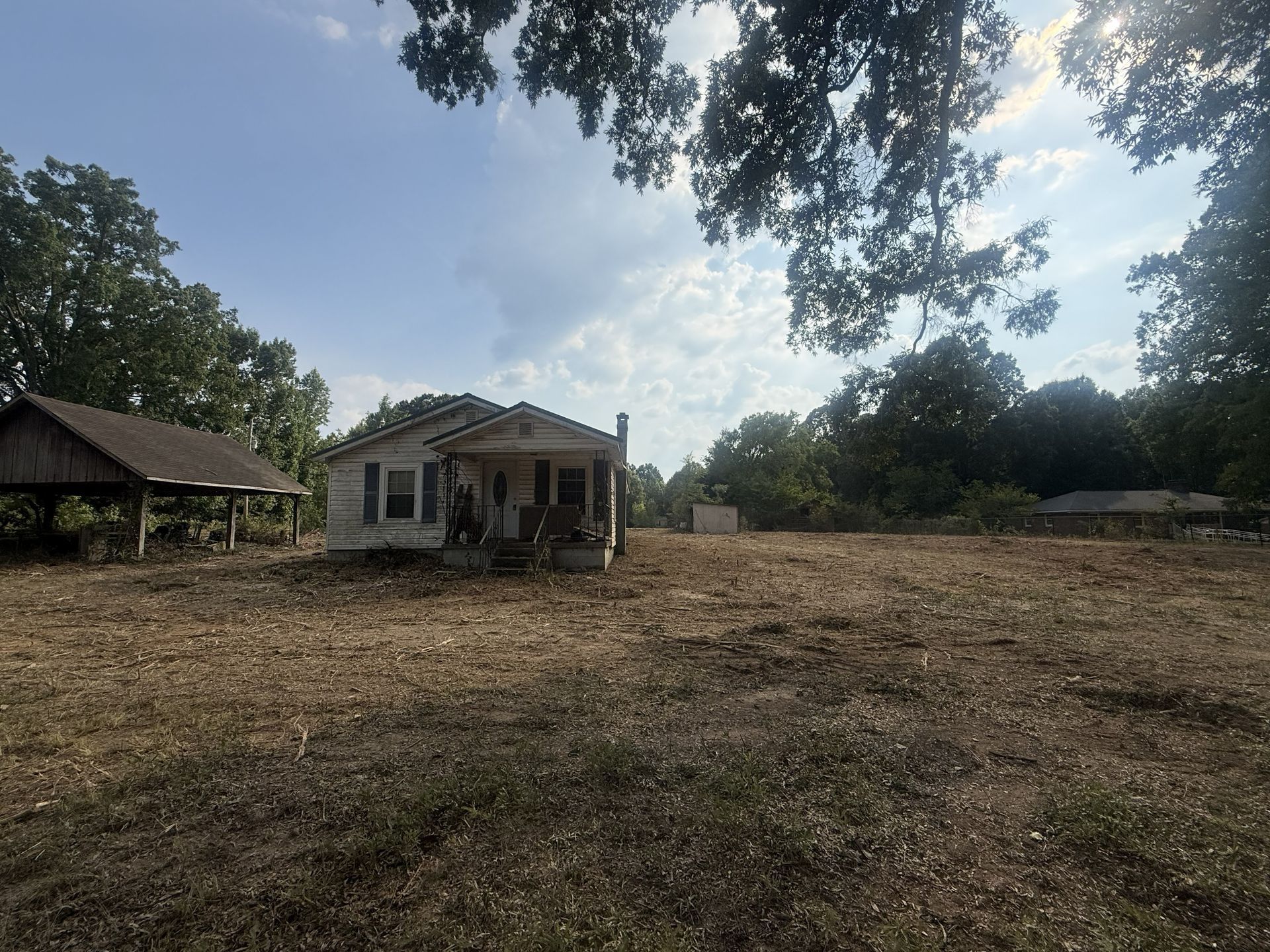
After clearing and grading, you'll notice clean sight lines across your property, firm ground that supports foot traffic or equipment, and vegetation controlled enough to maintain with a mower or periodic brushing. The reclaimed area won't look like a finished lawn immediately—bare soil needs time to settle, erosion control measures need rain to prove effective, and seeding takes weeks to establish—but you'll have accessible space to manage on your own timeline. Keeter Land Management focuses on creating stable, workable ground rather than handling irrigation, landscaping, or hardscaping that falls outside land clearing and grading services.
This work suits residential lots where part of the property has been abandoned to undergrowth, not commercial site development or projects requiring engineering drawings and permits. If your yard includes steep slopes, protected wetlands, or structures near the clearing zone, those factors affect what methods can be used and what results are realistic.
Common Concerns About Backyard Clearing
Homeowners restoring neglected property sections often ask similar questions about what the work includes and what the land will look like afterward.
What gets removed during backyard restoration?
Clearing removes brush, saplings, vines, fallen limbs, and low-value trees blocking access or creating hazards, while leaving mature hardwoods, boundary trees, or specimen plants the homeowner wants to keep based on a pre-work walkthrough.
How much grading is typically needed?
Light grading smooths ruts, fills small depressions, and establishes drainage slopes where water pools or erodes soil, but extensive excavation or retaining walls fall outside the scope of basic property restoration and require separate site work or engineering.
Will the cleared area be ready to seed immediately in Marshville?
Ground needs to settle after grading, and erosion control measures like straw or mulch should be in place before seeding, especially on slopes—waiting a few weeks after clearing allows the soil to stabilize and reveals any drainage adjustments needed before planting grass.
What happens to stumps during clearing?
Stumps can be ground flush with the surface for a clean finish, cut low enough to mow over if aesthetics aren't critical, or left in place if the area will remain mulched or wooded rather than converted to lawn.
How do you prevent the area from regrowing into brush?
Removing root systems during clearing, applying mulch to suppress seedlings, and establishing grass or groundcover quickly all slow regrowth, but periodic mowing or brushing is necessary to control saplings and invasive plants that sprout from seeds or remaining roots.
Keeter Land Management evaluates your backyard acreage to determine what clearing and grading will reclaim usable space without exceeding your property's limitations. Schedule a site visit with Derrick to walk the neglected areas and discuss realistic restoration options.