Corridors Maintained for Reliable Access
Right-of-Way & Utility Line Clearing in Marshville for keeping access routes and utility easements free from encroaching vegetation
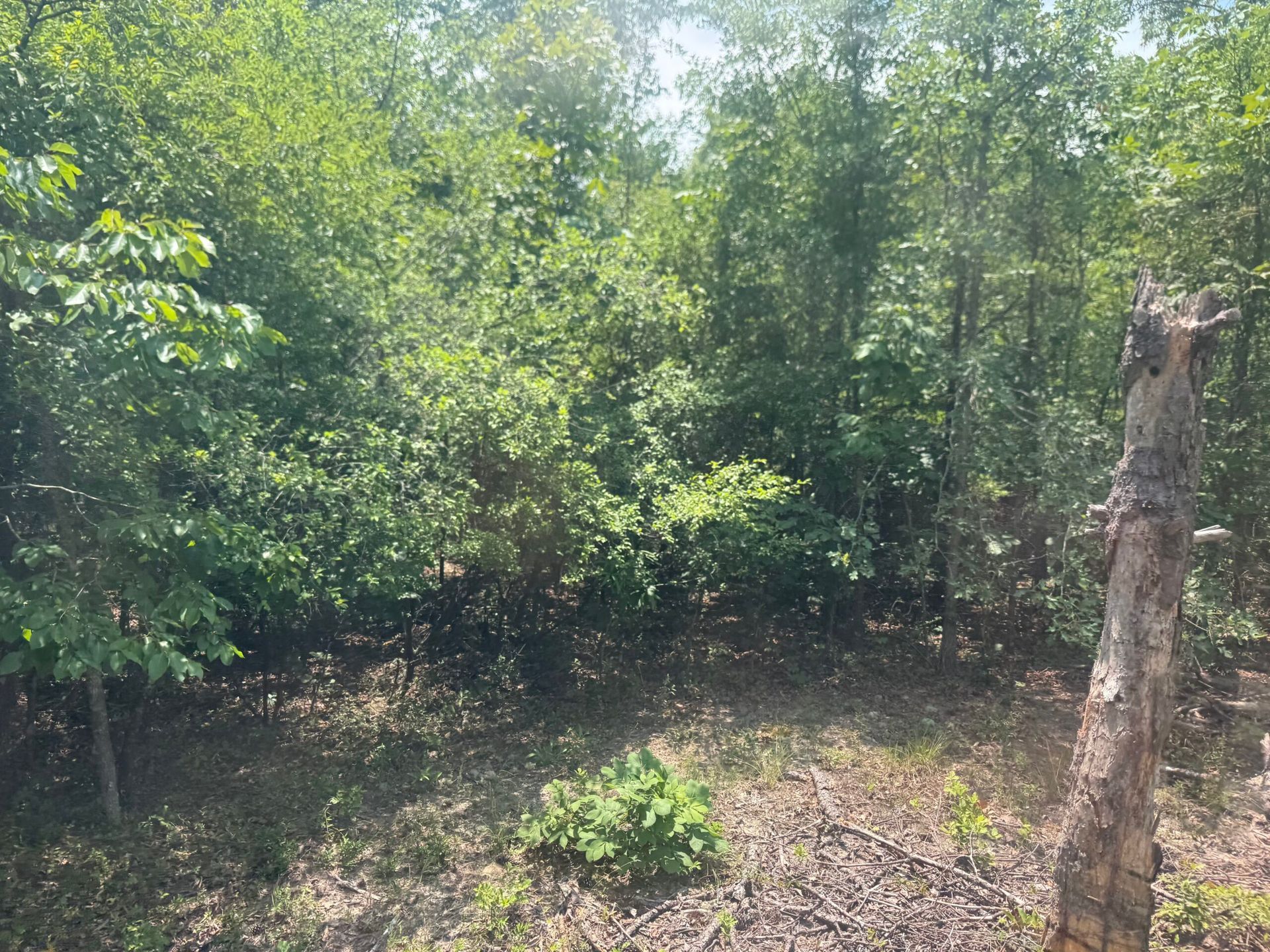
When brush, saplings, and vines grow unchecked along utility corridors, access roads, or easements, they obstruct visibility, block equipment passage, and create hazards for maintenance crews or emergency responders. Keeter Land Management removes vegetation from defined rights-of-way where dependable access and clear sight lines matter, working to the corridor's established boundaries and project requirements. In the Greater Charlotte Metro Area, where fast-growing hardwoods and invasive vines reclaim open ground quickly, right-of-way clearing must address both immediate obstructions and regrowth patterns that threaten long-term usability.
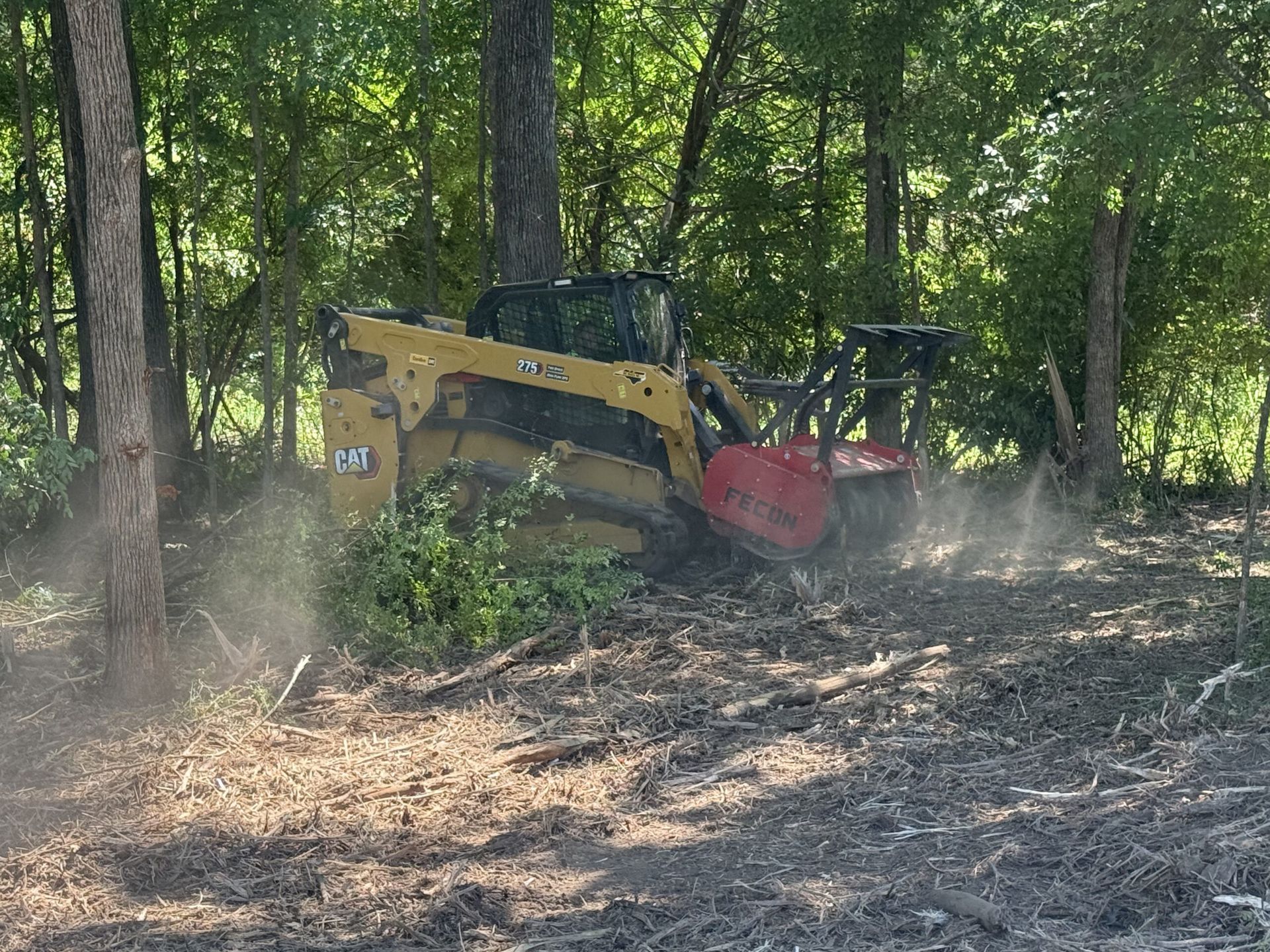
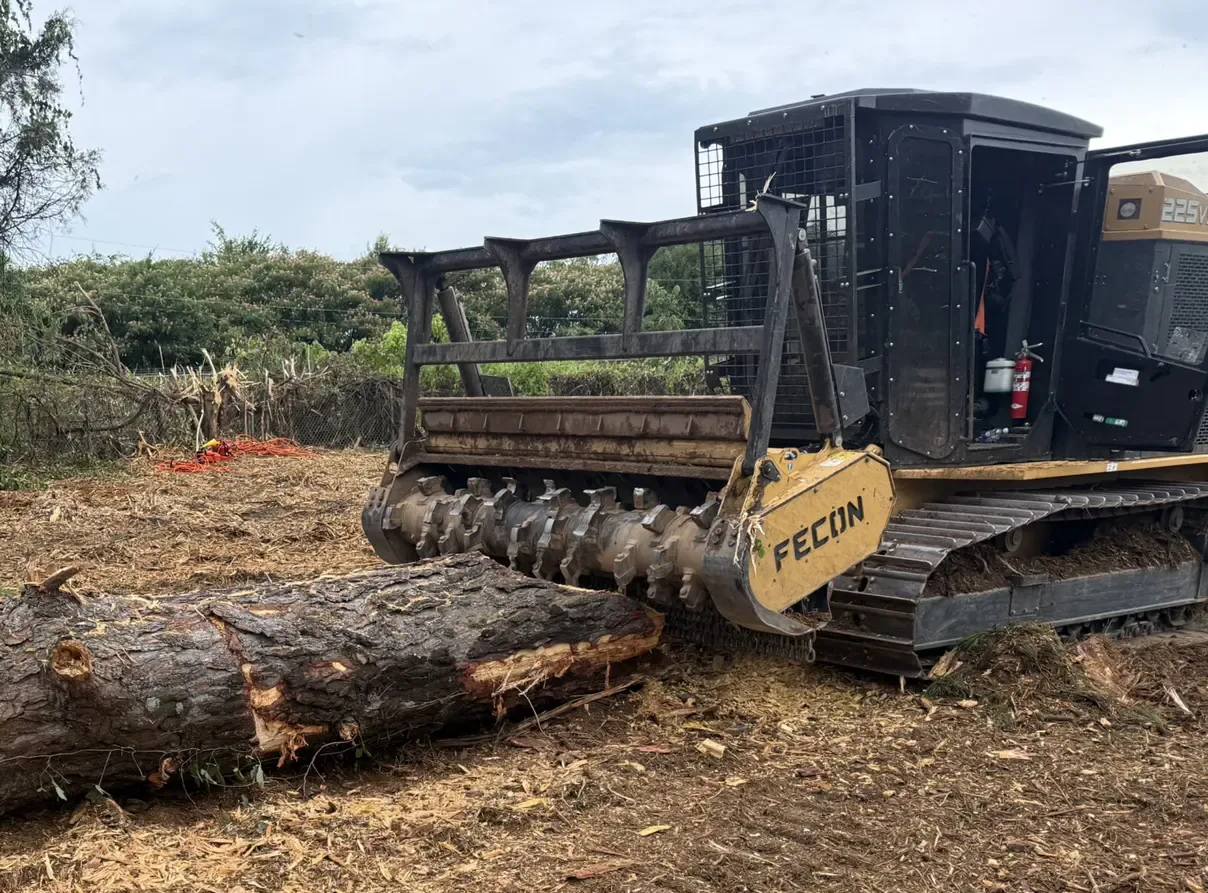
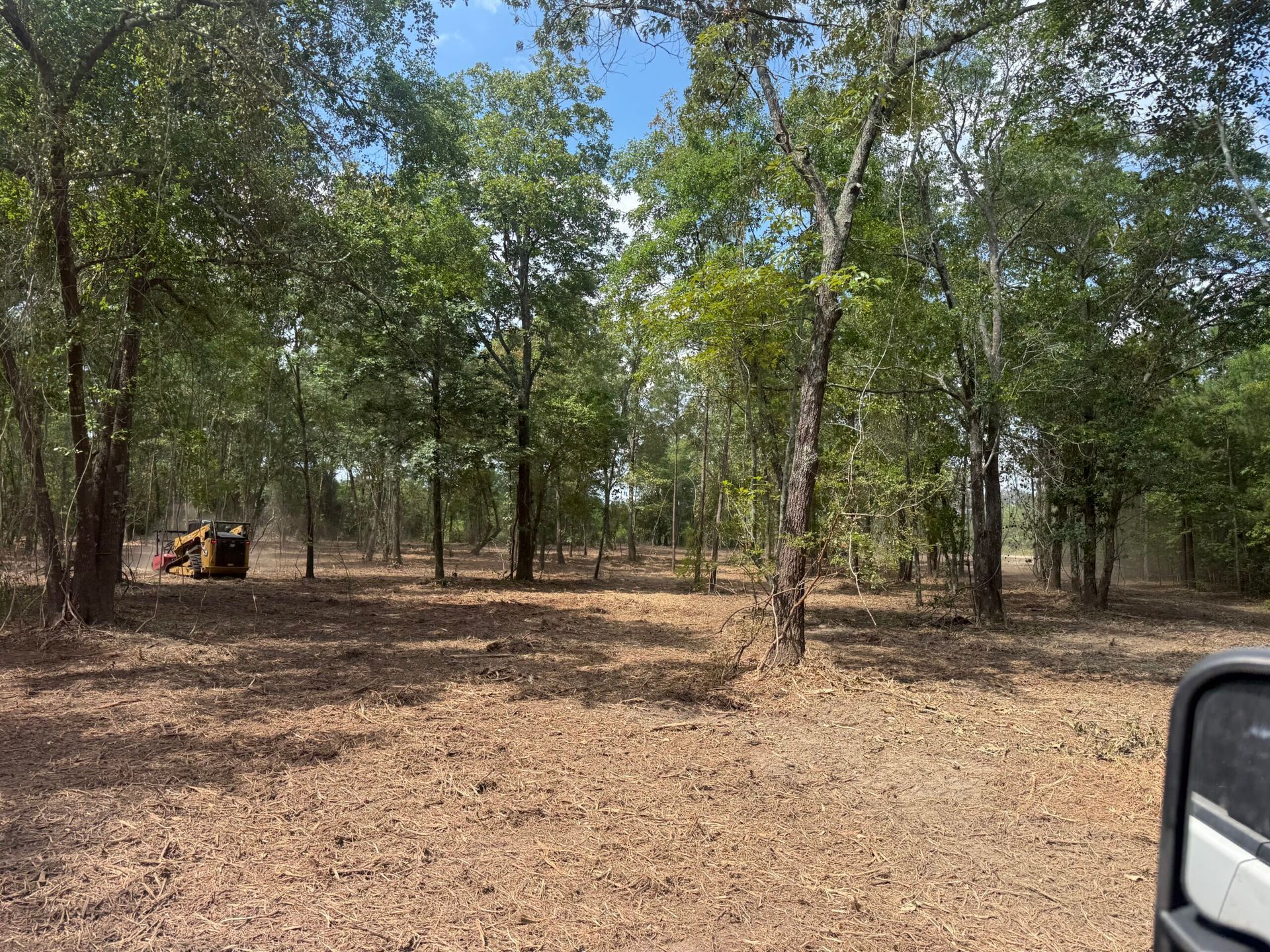
The process involves removing brush, low-hanging branches, saplings, and ground vegetation within the specified corridor width, cutting flush to prevent trip hazards and leaving the route passable for vehicles or foot traffic. Forestry mulching works efficiently on wider corridors or areas with dense undergrowth, grinding vegetation into mulch that suppresses regrowth temporarily while allowing quicker clearing than hand-cutting and hauling debris. Narrower easements or corridors near structures may require selective hand clearing to control exactly what gets removed and avoid damaging adjacent property improvements.
Provide corridor dimensions, access points, and any easement documentation before scheduling an on-site review for accurate project estimates.
Why Corridor Width and Vegetation Type Matter
Right-of-way clearing standards depend on the corridor's purpose—utility companies often specify minimum widths to keep power lines or pipelines accessible, while private access roads may only need enough clearance for vehicle passage and sight distance around curves. Vegetation type also affects the approach: pine saplings and hardwood sprouts rebound quickly from cutting and may require stump grinding or herbicide follow-up, while mature brush and vines clear permanently if root systems are removed during the initial pass.
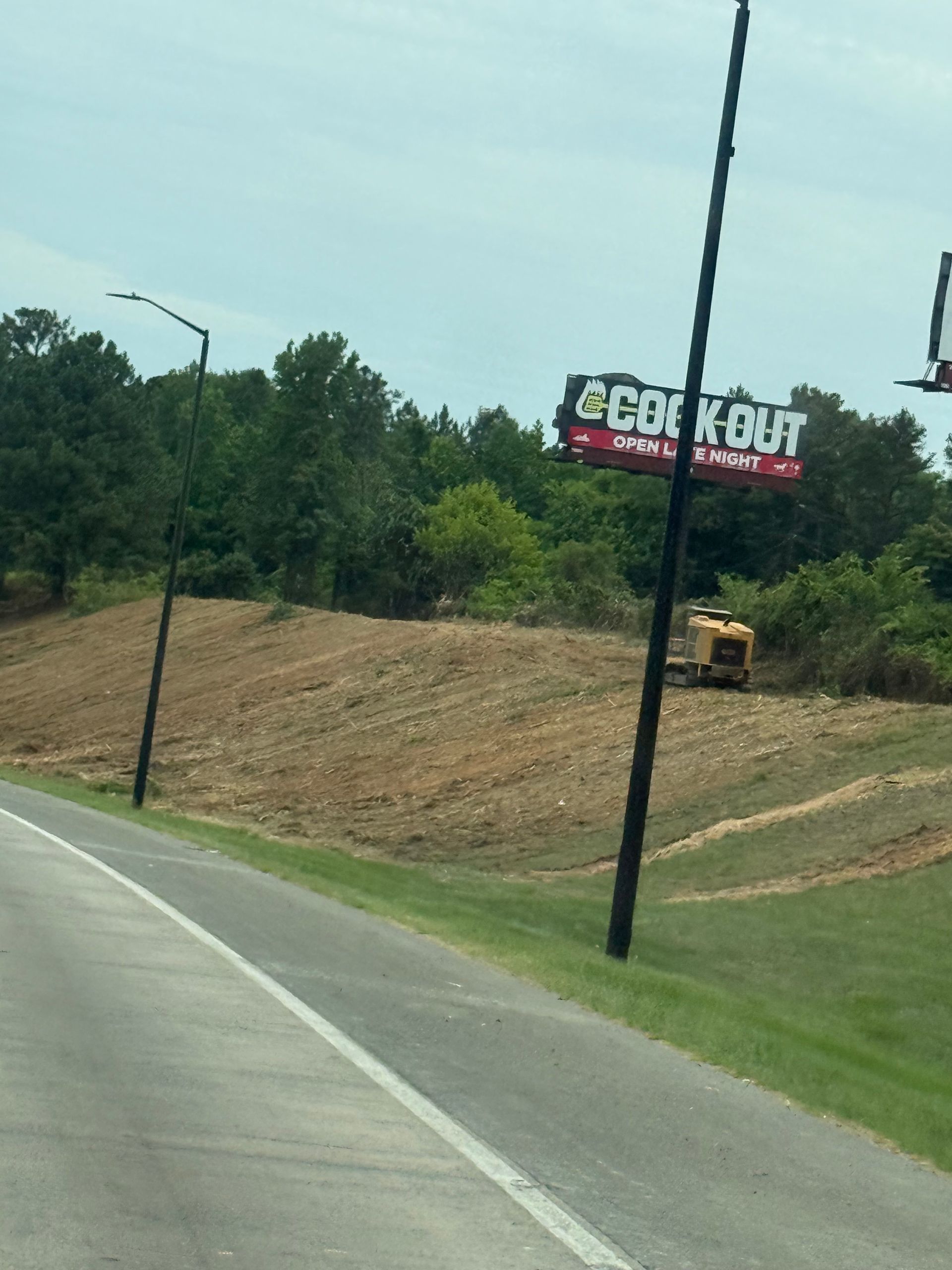
Once clearing is finished, you'll see an open corridor with unobstructed passage, clean sight lines for vehicle traffic or inspections, and vegetation controlled to the defined boundary. Maintenance access improves immediately, and utility work or emergency response can proceed without delays caused by impassable brush or hidden obstacles. This service does not include surveying to establish easement boundaries or legal verification of right-of-way limits—customers must identify corridor locations and widths before clearing begins, and any boundary disputes should be resolved independently.
Corridors located on steep slopes, near wetlands, or with overhead utilities require extra caution during clearing to prevent erosion, avoid sensitive areas, and maintain safe distances from power lines. If the right-of-way hasn't been maintained in years, expect heavier vegetation and longer project timelines compared to corridors cleared regularly.
Questions About Maintaining Access Corridors
Right-of-way projects often involve utility companies, neighboring property owners, or regulatory requirements that raise specific questions about scope and responsibility.
What defines the clearing boundary for a right-of-way?
The boundary is set by easement documents, utility company standards, or property agreements that specify corridor width and location—Keeter Land Management clears to those defined limits but does not establish or verify boundaries without existing documentation.
How does forestry mulching benefit utility line clearing in Marshville?
Mulching grinds brush, saplings, and vines into mulch that stays on-site, eliminating debris hauling and creating a ground cover that suppresses fast-growing vegetation temporarily, making it faster and more cost-effective than hand-cutting for wide corridors with dense growth.
When should right-of-way clearing be scheduled?
Clearing is easiest during late fall through early spring when vegetation is dormant, visibility is better, and regrowth is slower, though urgent access needs or utility maintenance deadlines may require clearing during the growing season regardless of conditions.
Will cleared corridors stay open without ongoing maintenance?
All cleared rights-of-way eventually regrow from seeds, root sprouts, and windblown vegetation, so periodic maintenance every few years is necessary to prevent the corridor from reverting to impassable brush, especially in areas with rich soil and ample rainfall.
What information do you need before estimating a right-of-way project?
Corridor length and width, access point locations, vegetation density, terrain slope, and any restrictions on equipment use or debris disposal help determine project scope and pricing before clearing begins.
Keeter Land Management clears utility corridors and access easements to specified widths and project standards. Call (704) 993-7919 to arrange a site visit and review your right-of-way clearing requirements with Derrick before work begins.