Reclaiming Overgrown Acreage Without Debris Piles
Forestry Mulching in Marshville for wooded lots, overgrown pastures, and properties buried under brush and invasive growth
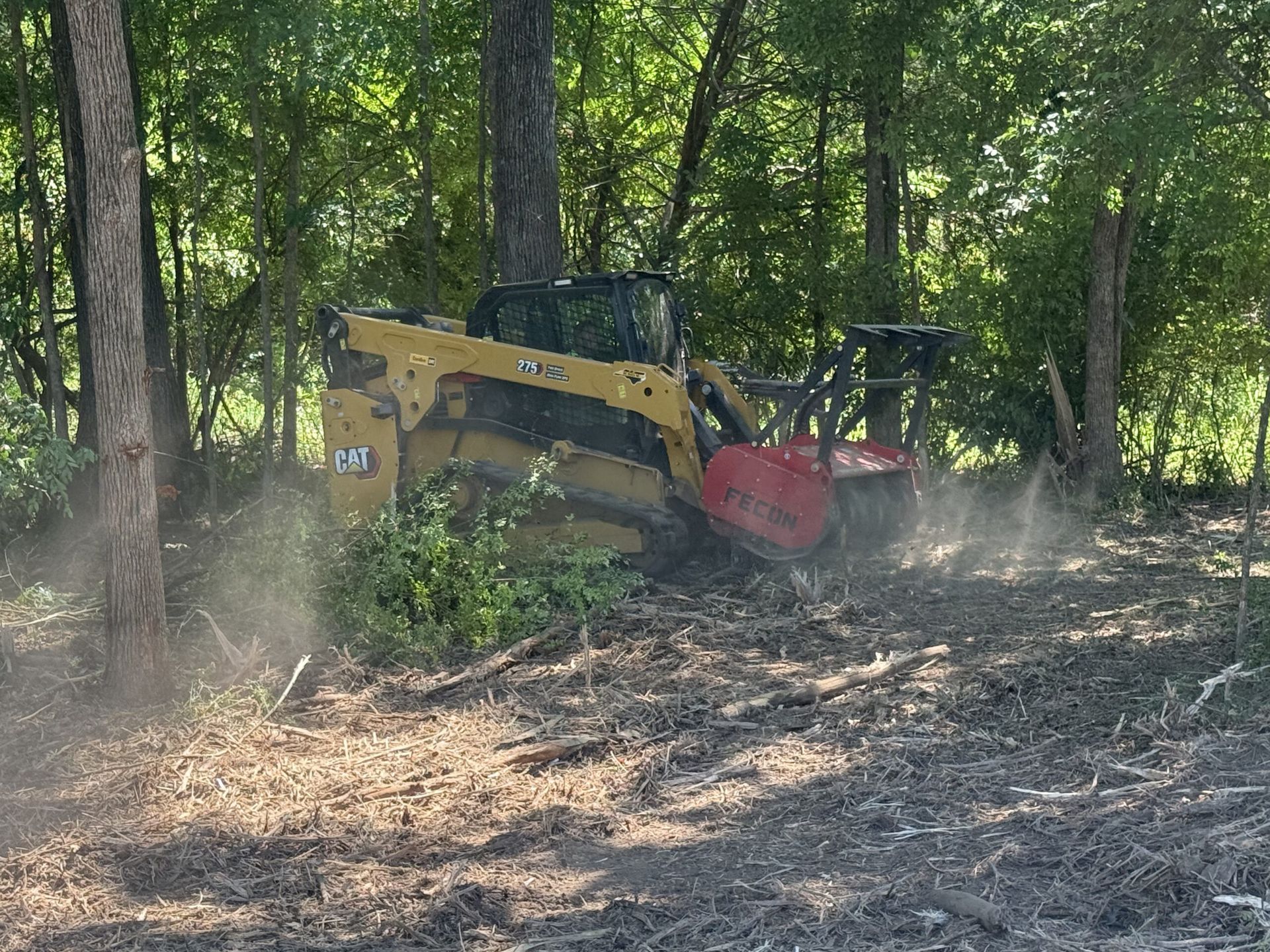
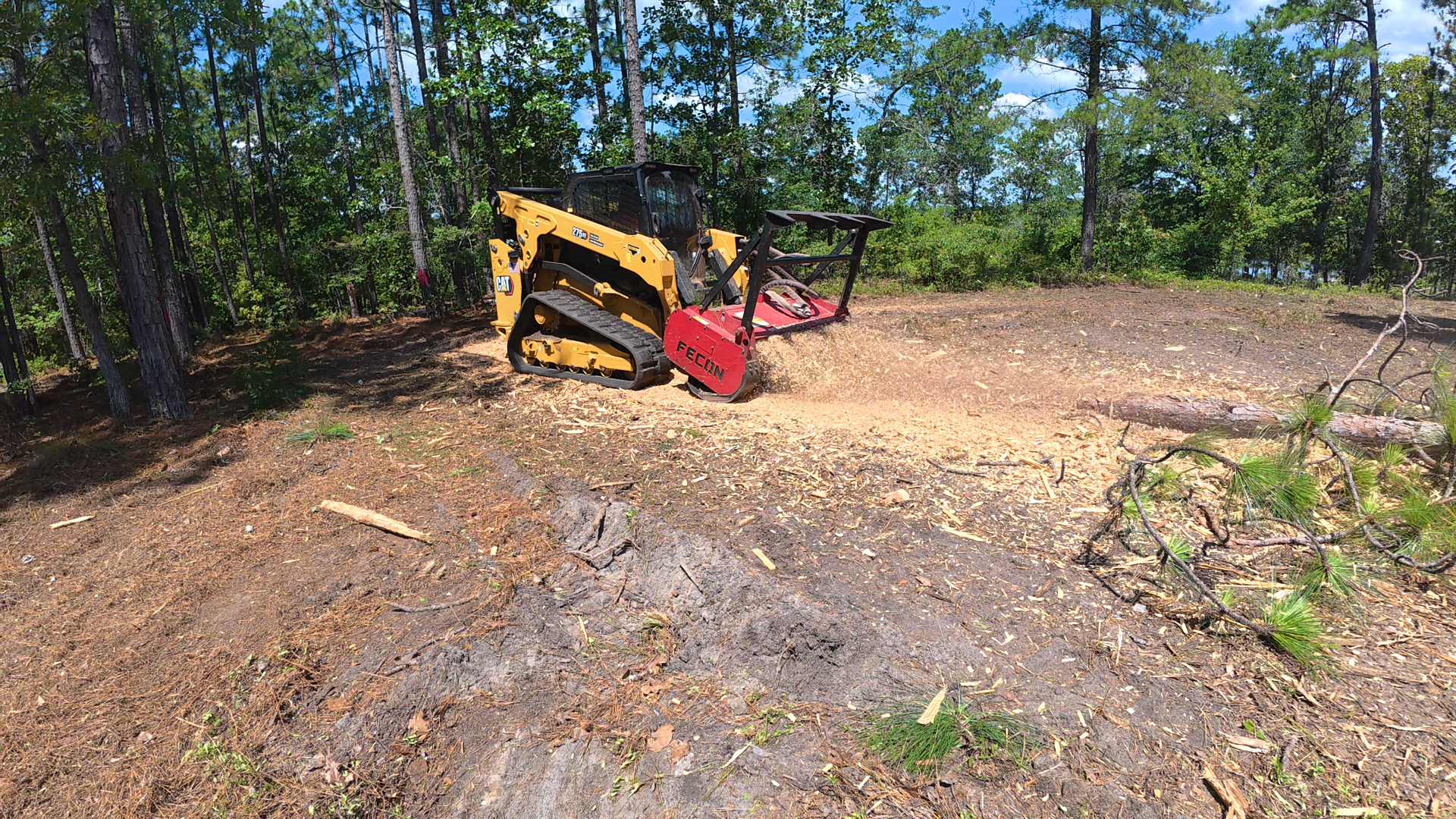
Overgrown acreage choked with thick brush, volunteer saplings, vines, and dense undergrowth becomes unusable for grazing, trails, sightlines, or property improvements, but traditional clearing creates massive debris piles that require additional hauling and burning permits. Forestry mulching processes vegetation in a single pass, grinding brush, small trees, and vines into ground-covering mulch that decomposes naturally while eliminating the need to stage, move, and dispose of cut material. Keeter Land Management uses this method across the Greater Charlotte Metro Area for rural properties, wooded residential lots, and reclamation projects where vegetation density has made the land inaccessible.
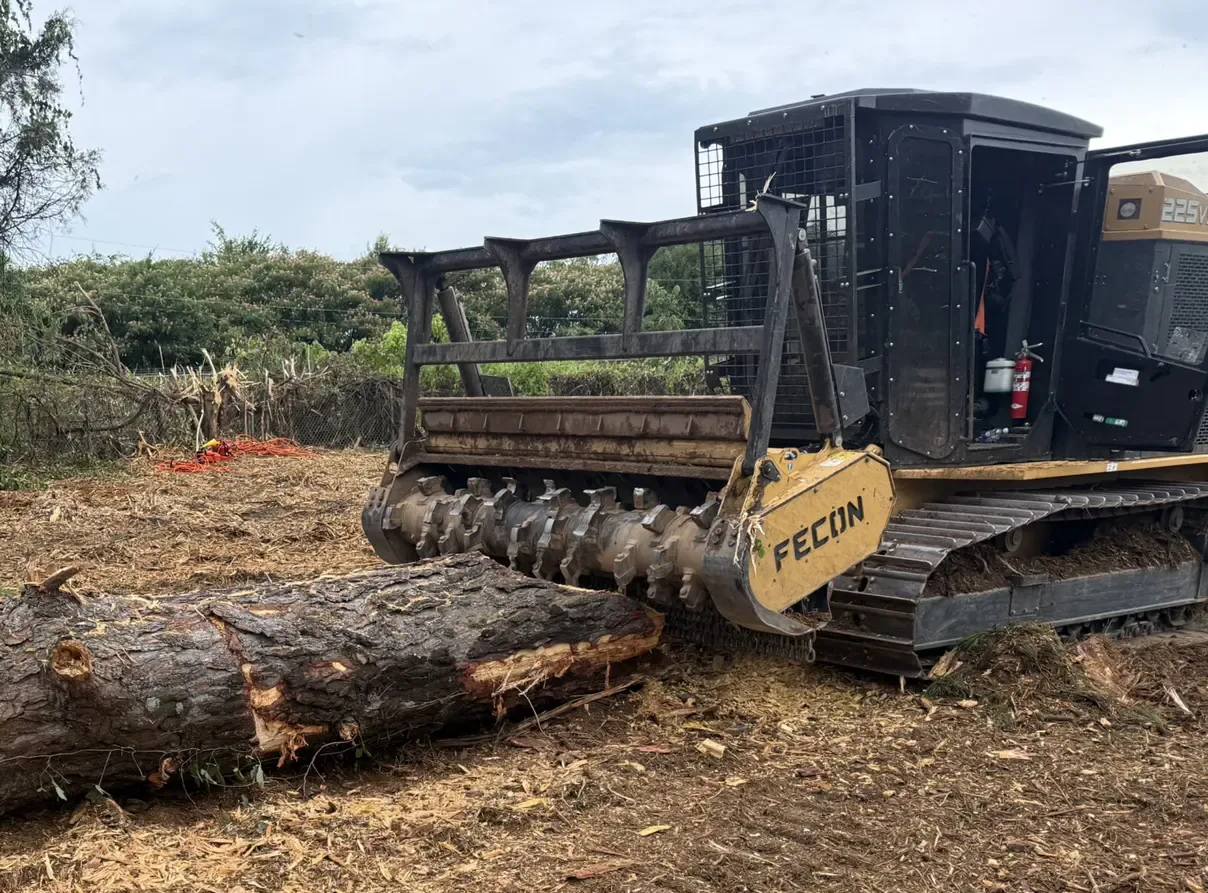
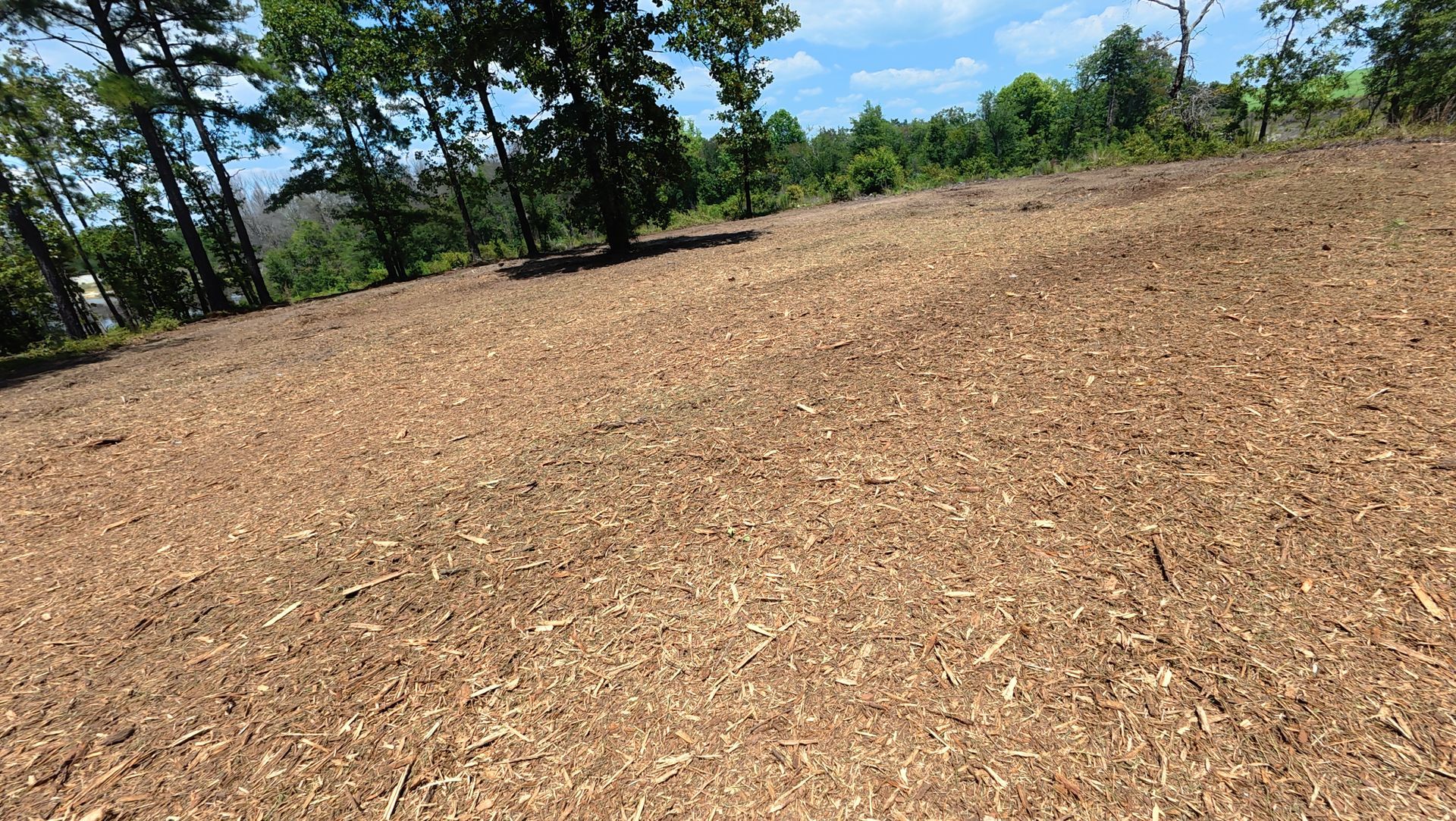
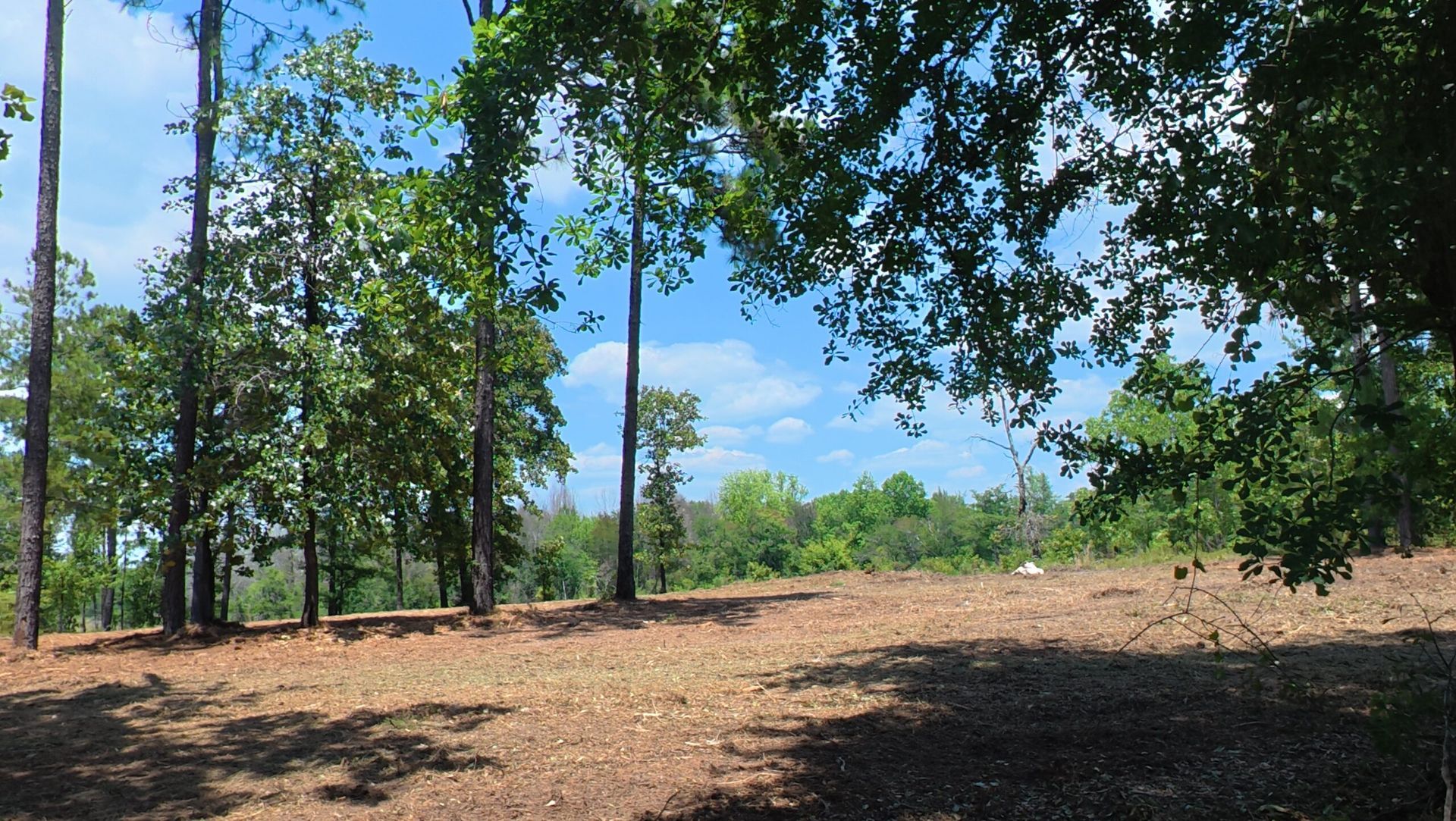
The forestry mulching head processes standing vegetation directly into mulch that spreads across the cleared area, leaving a uniform organic layer that suppresses regrowth, retains soil moisture, and reduces erosion on slopes common throughout the Charlotte region. Unlike clearing methods that leave raw soil exposed, the mulch layer protects the ground immediately while breaking down over time.
Discuss vegetation density, terrain challenges, and your desired finished condition during an on-site consultation so the mulching plan reflects property-specific growth patterns and intended use.
Why Mulching Works for Dense Vegetation
Forestry mulching handles mixed vegetation types—hardwood saplings, brambles, honeysuckle, privet, and thick ground cover—in one continuous operation without stopping to separate, pile, or burn debris. The mulching head grinds material at ground level, eliminating stumps and stems that would otherwise sprout back or interfere with mowing and future land use.
Once mulching completes, you walk across cleared ground covered with a layer of shredded organic material rather than facing piles of cut brush waiting for disposal. The mulched surface reveals property boundaries, drainage patterns, and terrain features hidden under years of unchecked growth, and the organic layer begins decomposing into soil-enriching material within the first growing season.
Mulching does not remove large mature trees, grind subsurface root systems, or create finish grades—those require separate equipment and methods. What it does accomplish is converting dense, impassable vegetation into manageable ground without the debris logistics that delay other land improvement projects.
Common Questions About This Service
Forestry mulching offers a practical alternative to traditional clearing when properties face thick undergrowth and the goal is reclaiming usable acreage rather than preparing for immediate construction. Landowners typically want to understand how the process works and what the finished condition looks like.
What size trees can forestry mulching handle?
The mulching head processes brush, saplings, and trees typically up to six inches in diameter, though capacity depends on wood density and equipment specifications—larger mature trees require felling and removal through conventional clearing methods.
How does mulched material affect the ground after clearing?
The shredded organic layer stays in place, decomposing gradually while suppressing weed growth and protecting soil from direct sun and heavy rain, which matters on sloped wooded lots throughout Marshville where erosion accelerates once canopy cover disappears.
When is mulching preferred over traditional land clearing?
Mulching works best for reclaiming pastures, creating trails, opening wooded homesites, and restoring overgrown rural acreage where the goal is vegetation control and access rather than preparing a construction-ready surface that requires precise grading.
What happens to vines and invasive species during mulching?
Mulching grinds vines, root crowns, and invasive woody plants into the mulch layer, which reduces immediate regrowth but does not eliminate persistent species like privet or bamboo that may require follow-up treatment or repeated mulching over successive seasons.
How thick is the mulch layer after processing dense vegetation?
Mulch depth varies with vegetation volume but typically settles to two to four inches across the cleared area, enough to suppress most weed germination and reduce soil temperature swings without creating an impenetrable mat that prevents water infiltration.
Keeter Land Management evaluates vegetation type, density, and terrain before mulching begins so the approach matches your property restoration goals. Arrange a site visit to review the overgrown areas, discuss the desired finish, and establish realistic expectations for regrowth management.