Water Movement That Protects Your Investment
Drainage Solutions & Erosion Control in Marshville for properties where grading work or cleared land has changed how runoff behaves
Keeter Land Management addresses drainage and erosion concerns that develop when property work changes how water travels across your site. After clearing brush, cutting driveways, or reshaping terrain in the Greater Charlotte Metro Area, water often finds new paths that pool near structures, wash out soil, or carve channels through restored ground. Evaluating where runoff collects and how slopes direct flow becomes essential before erosion damage spreads or drainage problems compromise other improvements.
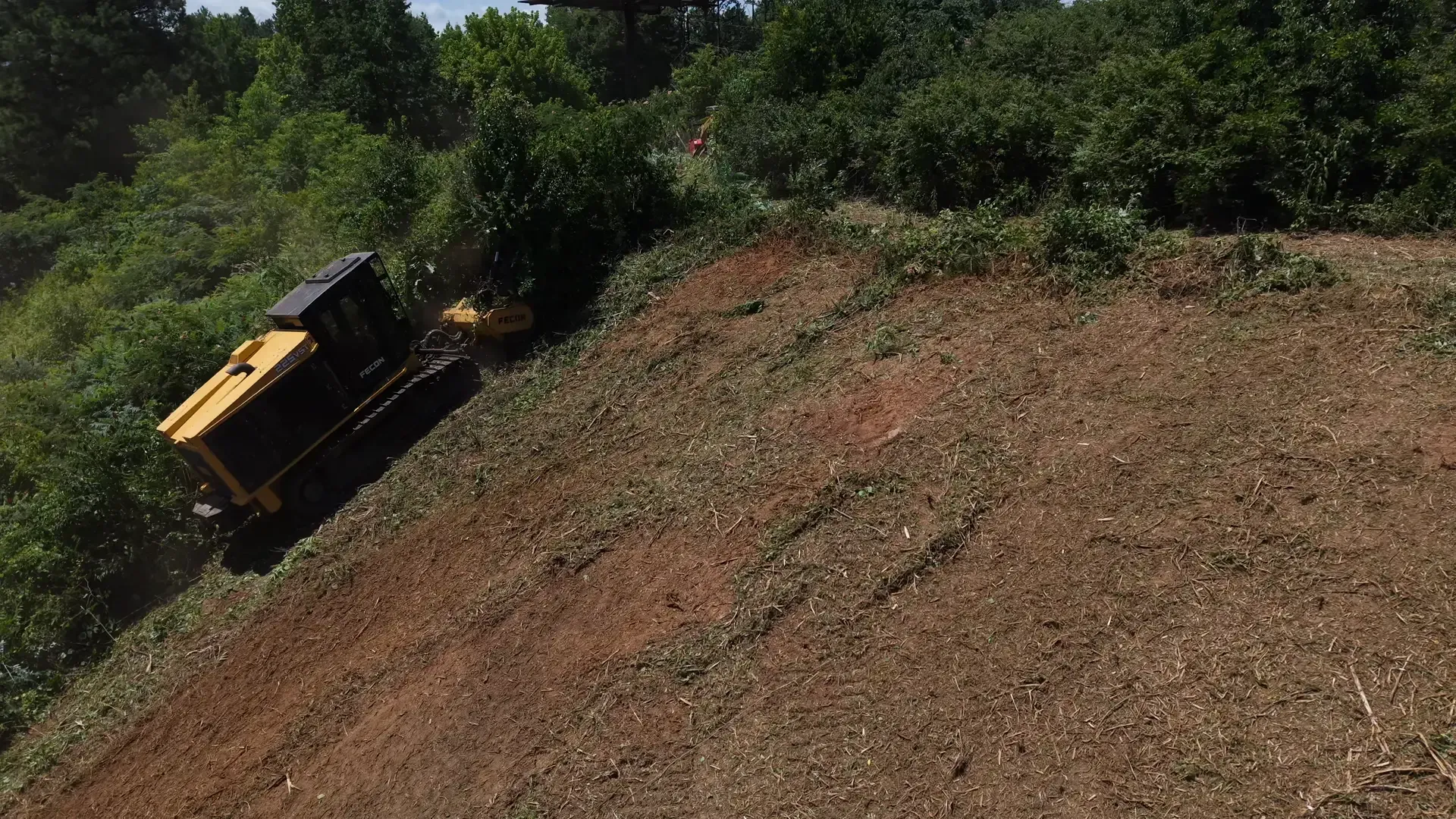
The service involves walking your property to observe where water enters, where it slows, and where it exits during rain events. Grading adjustments, swales, drainage pathways, and stabilization methods are planned based on your soil type, existing slopes, and what you've already built or cleared. Solutions often tie directly to recent land work—a new driveway may need runoff channels, a cleared yard may require regrading to prevent pooling, or a sloped area may need erosion control before bare soil washes downhill.
Schedule a property walkthrough to point out areas where water collects or soil washes away after storms.
How Site Conditions Shape Drainage Planning
Effective drainage work starts with understanding what changed on your property and why water now behaves differently. Disturbed soil compacts unevenly, cleared areas lose root structure that once held moisture, and graded sections redirect flow toward unintended low spots. Each site requires observation during wet conditions or a review of visible erosion patterns—ruts, exposed roots, sediment piles, or standing water—that reveal where runoff concentrates.
After corrections are made, you'll notice water moving predictably away from buildings, driveways staying intact during heavy rain, and cleared ground holding its shape instead of washing into gullies. Grass establishes more easily on stabilized soil, and pathways or access routes remain passable year-round. Keeter Land Management integrates drainage planning with grading and land clearing projects to prevent erosion before it starts, rather than repairing damage after seasonal storms expose poor water management.
This work doesn't include subsurface drainage systems or engineered stormwater infrastructure, but it does address surface grading, vegetative buffers, and runoff redirection that resolve most residential and rural drainage concerns. Properties with steep slopes, clay-heavy soil, or multiple clearings benefit from early evaluation, especially before adding gravel, seeding, or building additional features that depend on stable ground.
What Owners Ask About Managing Runoff
Property work and rainfall patterns in the Greater Charlotte Metro Area often raise similar concerns about how land handles water once vegetation is removed or terrain is reshaped.
What causes erosion after land clearing?
Removing trees and brush eliminates root systems that stabilize soil and absorb rainfall, so water runs faster across bare ground and carries sediment downhill until vegetation reestablishes or grading corrections slow the flow.
How do you evaluate drainage problems?
The assessment involves walking your property to identify where water enters from adjoining land, where it concentrates in low areas or against structures, and where it exits—either onto neighboring properties or into natural drainages—so solutions address the entire flow path rather than isolated trouble spots.
When should drainage work happen relative to other projects?
Plan drainage corrections after clearing and grading but before adding driveways, seeding, or hardscaping, since reshaping the land for proper runoff may require adjusting elevations or creating swales that affect other site features.
What results indicate improved water management?
You'll see water moving in predictable channels instead of sheeting across open ground, no standing pools after storms, soil staying in place on slopes, and driveways or paths remaining firm rather than washing out or developing ruts.
Does forestry mulching help with erosion control?
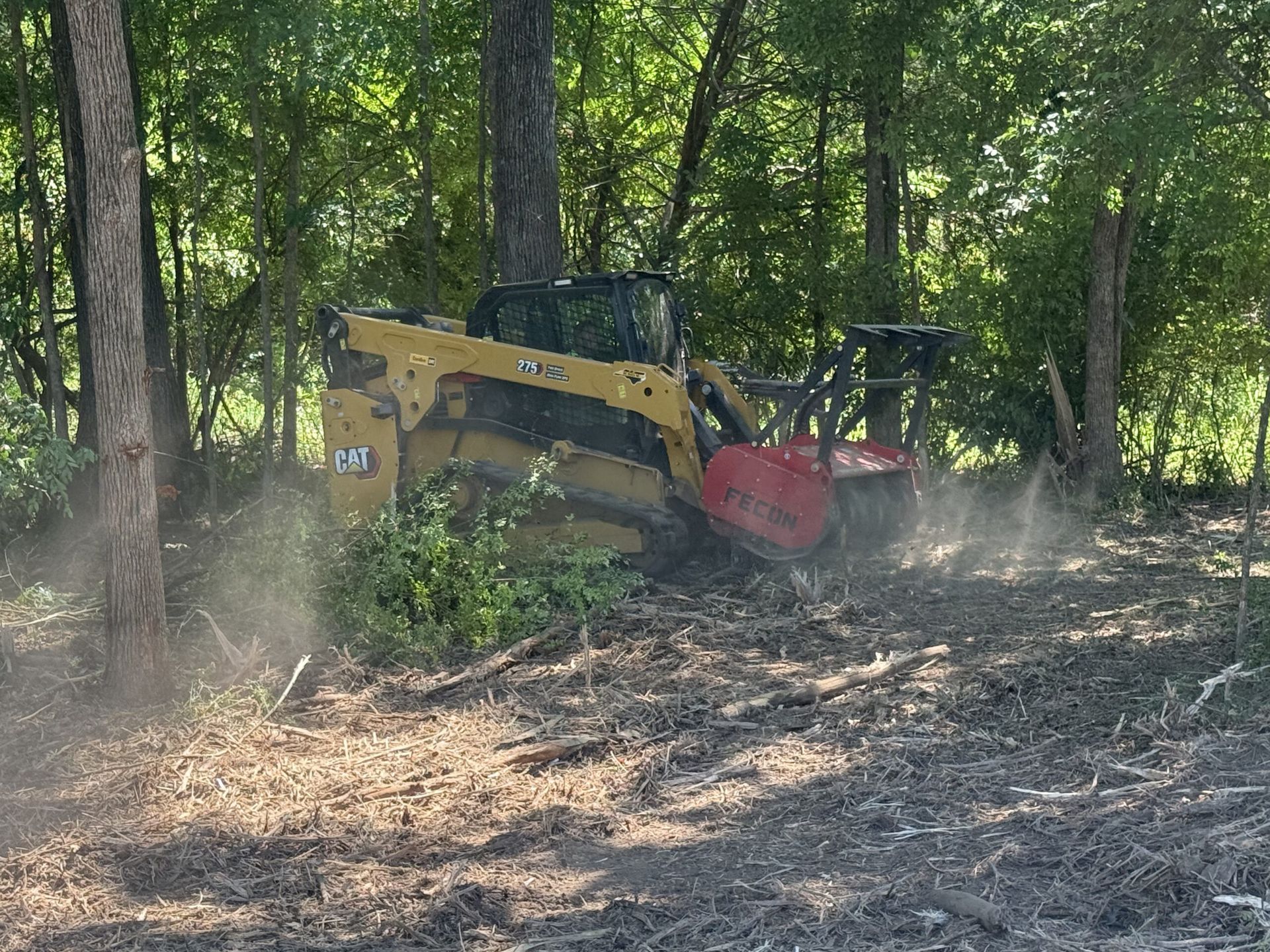
Mulch left on-site after brush clearing acts as a temporary ground cover that slows runoff and reduces soil exposure while grass or native plants take hold, making it a practical first step in erosion management for recently cleared acreage.
Keeter Land Management evaluates how your recent land improvements interact with natural water movement across your Marshville property. Walk the site with Derrick to identify problem areas and discuss corrective grading or drainage solutions before the next heavy rain.