Fields Prepared for Agricultural Use Again
Pasture Restoration & Farm Reclamation in Marshville for properties overtaken by brush, vines, and volunteer trees after years of limited use
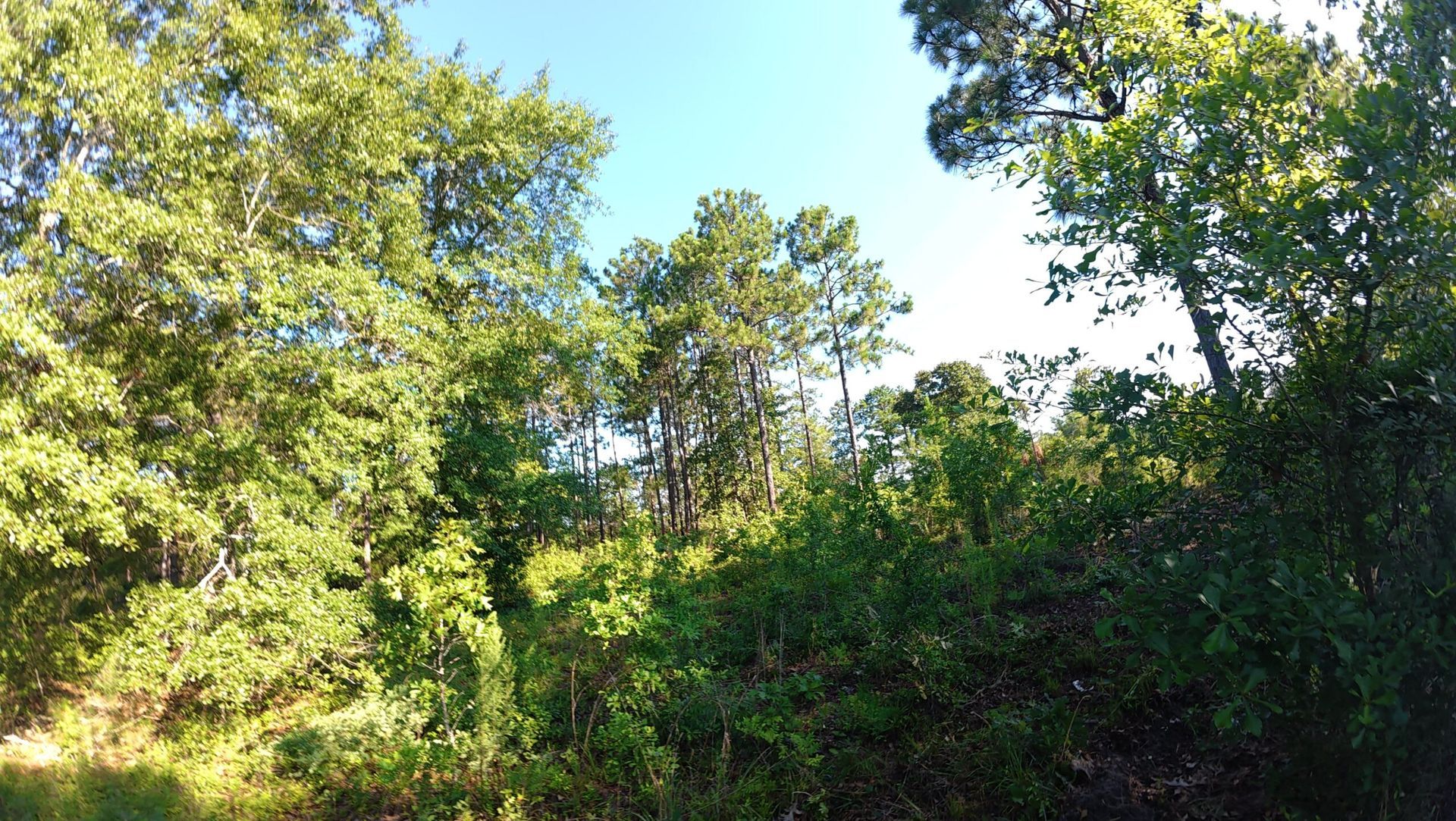
Keeter Land Management handles pasture restoration and farm reclamation across the Greater Charlotte Metro Area and Marshville when acreage has been overtaken by brush, young trees, and vines that block agricultural use. Fields left unmanaged for several years develop thick vegetation that prevents grazing, planting, or equipment access. Forestry mulching and clearing remove that growth and reopen the ground for future property-management or farming goals.
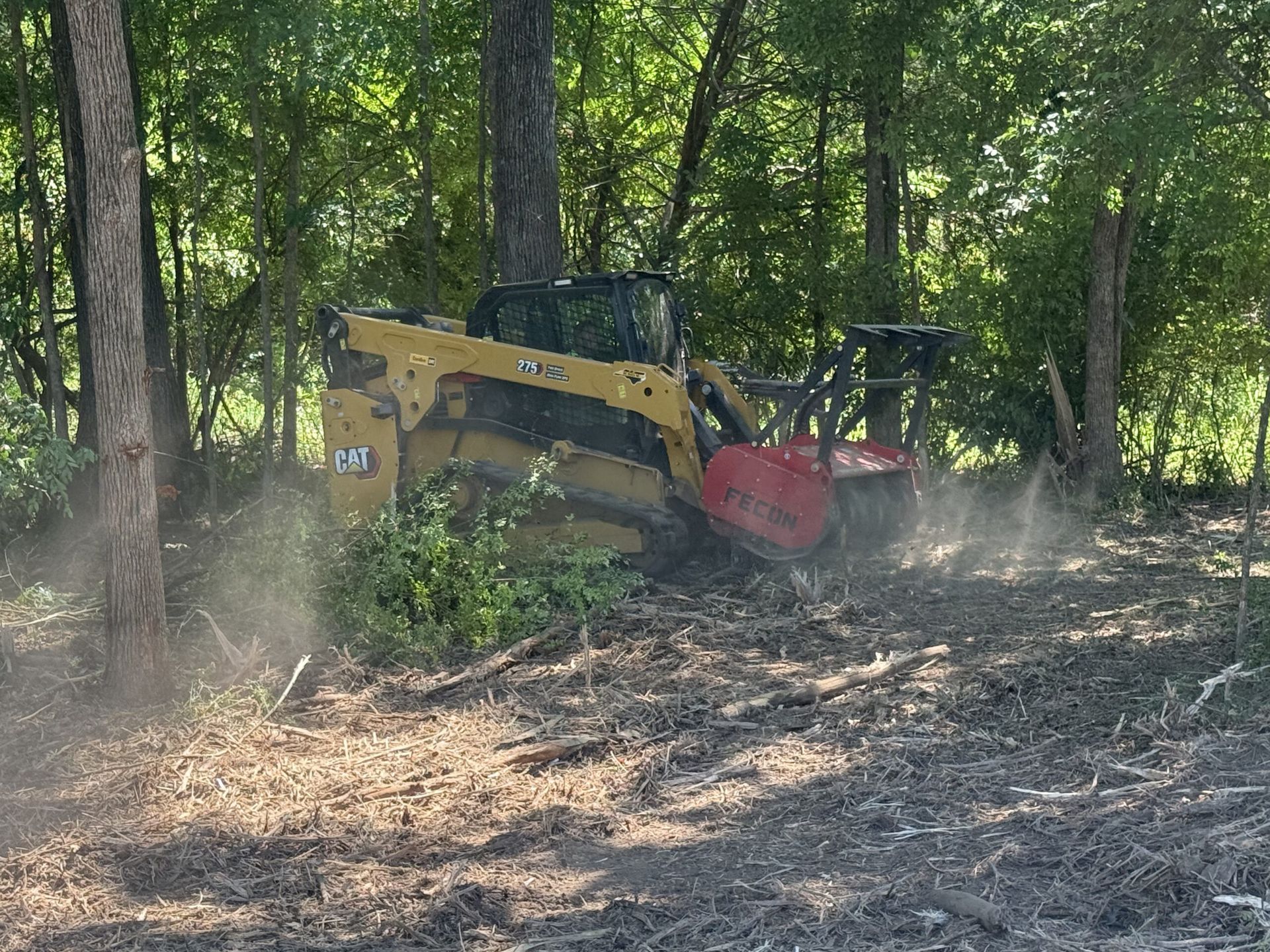
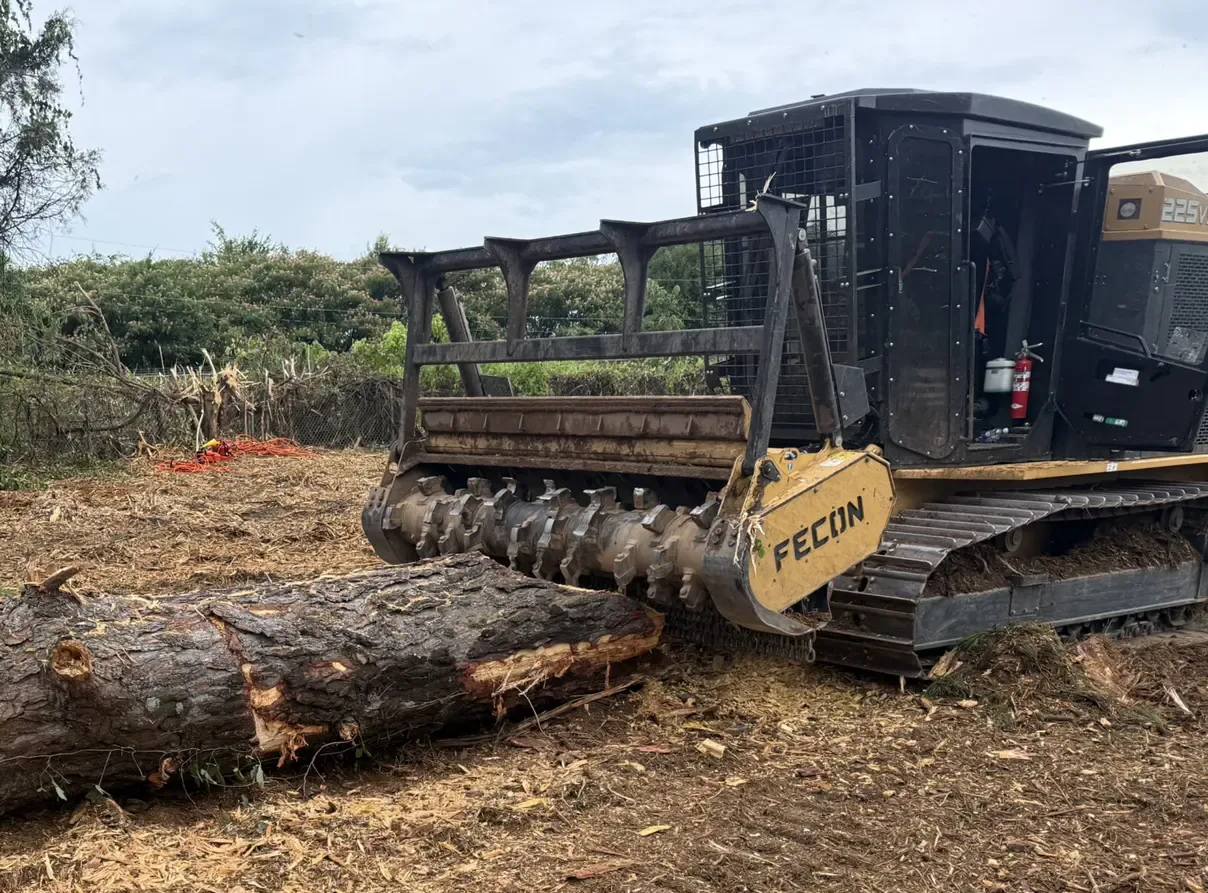
The service targets fields where brush density has reached the point that hand tools or small equipment no longer work. Forestry mulching grinds woody material in place, leaving a mat of organic debris that decomposes into the soil instead of requiring hauling and disposal. Grading or access work is added when terrain issues or erosion patterns make it necessary to stabilize the surface before the land returns to productive use.
Request an acreage review and schedule a site visit to evaluate current vegetation density and access constraints.
How Clearing Reopens Land for Farming
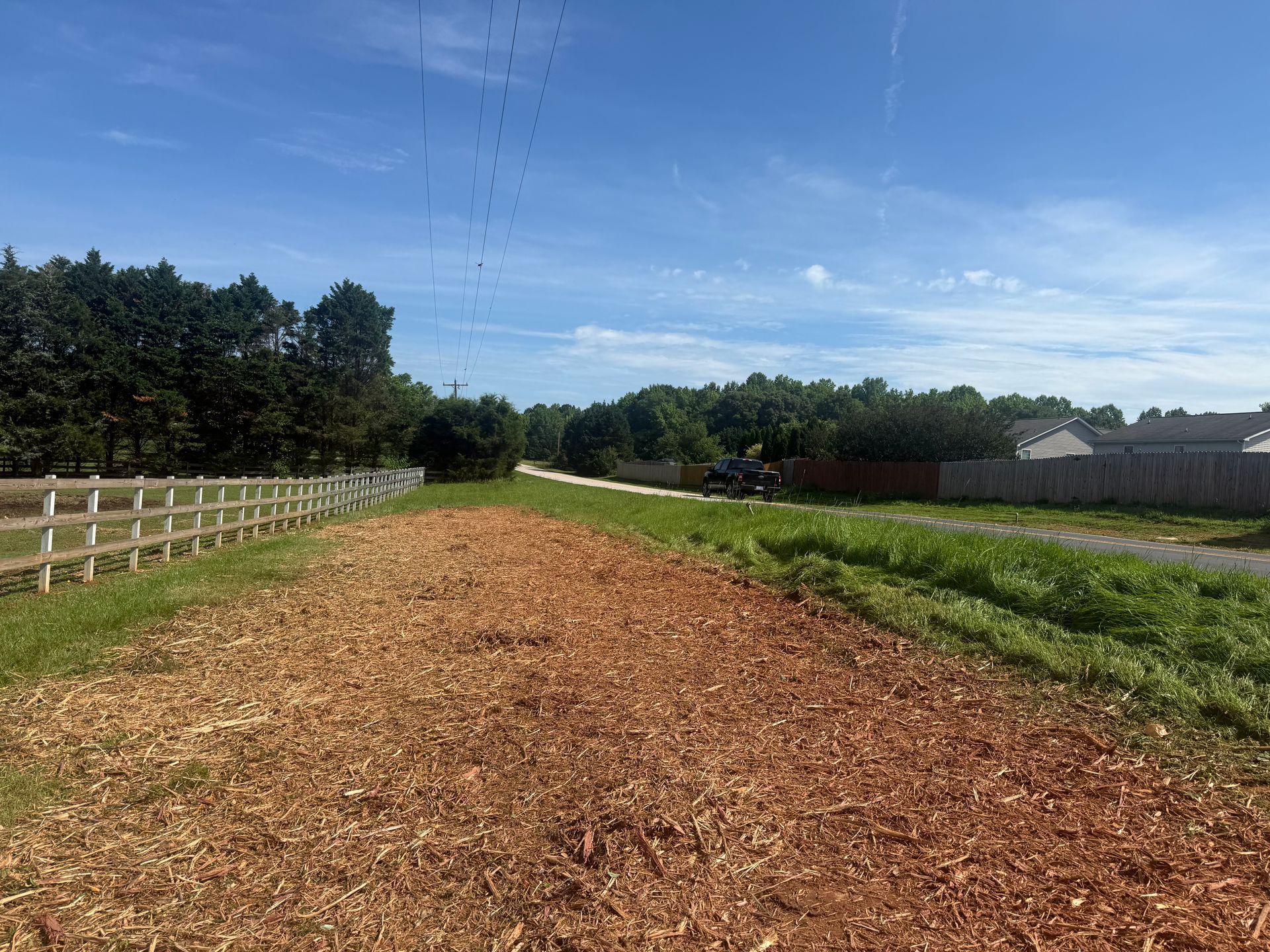
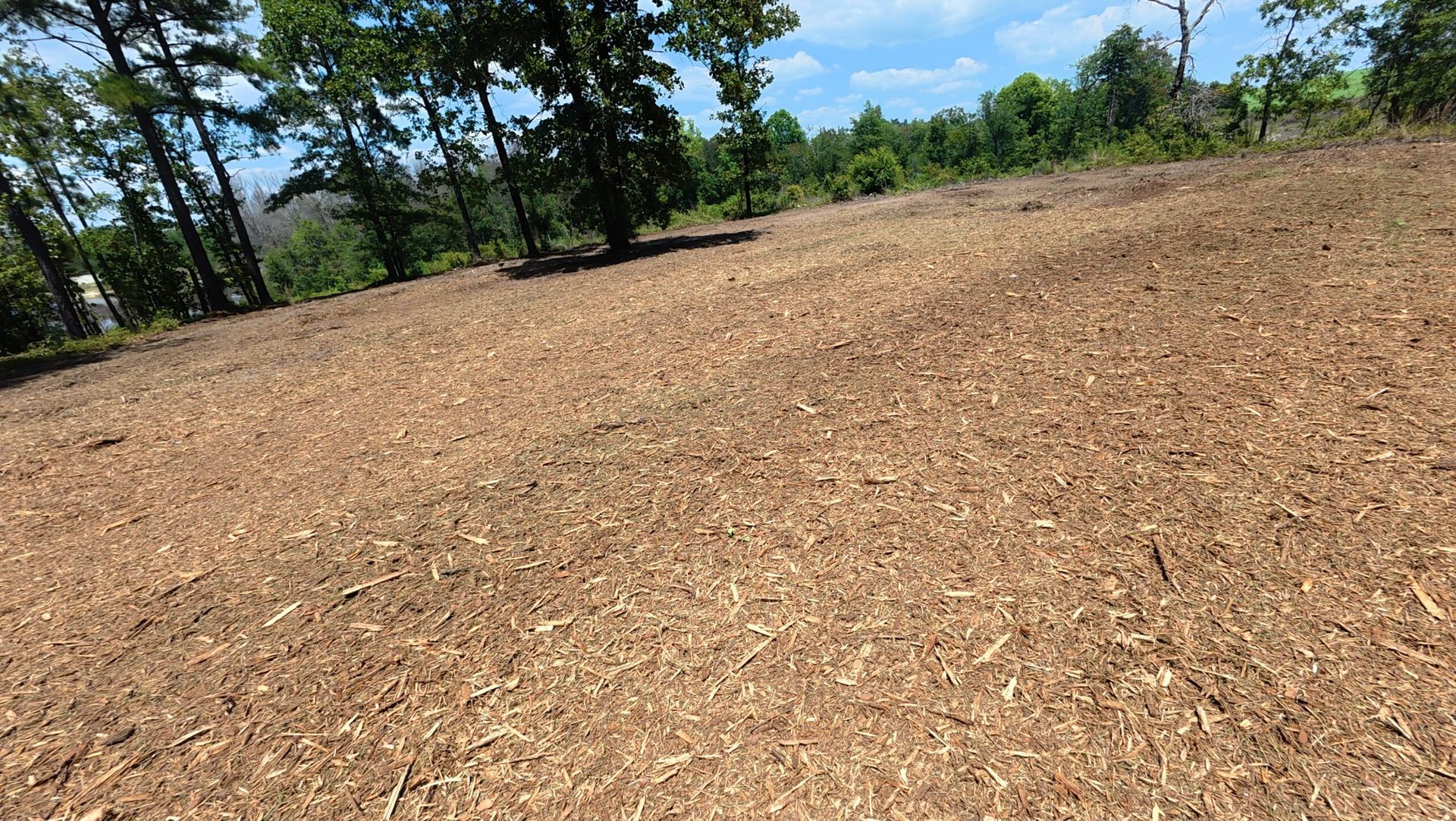
Forestry mulching processes standing brush, saplings, and vines without disturbing root systems or topsoil layers the way traditional dozing does. The mulched material spreads across the cleared area and breaks down over the following months, adding organic matter back into the soil. This method works well on pastures where maintaining existing topsoil quality matters for future planting or grazing.
After clearing, you see open ground where equipment can operate and livestock can move without obstruction. Stumps and root masses that interfere with mowing or tilling are removed or ground flush with the surface. The cleared acreage becomes accessible again for seeding, fencing installation, or rotational grazing setup.
Some fields require grading after clearing to address drainage issues or uneven terrain created by years of erosion. Access roads or farm lanes may need surface stabilization before heavy equipment or livestock trailers can cross without rutting. These additional steps are determined during the site assessment based on current field conditions and your intended use.
Questions Property Owners Ask Before Starting
Farmers and rural landowners in the Carolinas often have similar concerns when planning pasture reclamation work.
What density of brush requires forestry mulching instead of mowing?
When saplings exceed two inches in diameter or vines form tangled masses that stall rotary cutters, mulching equipment becomes necessary because standard mowing decks cannot process woody growth without damage or repeated clogging.
How does mulched material affect soil quality after clearing?
The organic debris left on the surface decomposes over six to twelve months depending on moisture and temperature, adding nitrogen and organic matter back into the topsoil as it breaks down.
When is grading required after brush removal?
Grading becomes necessary when erosion has created gullies or ruts deeper than six inches, when drainage patterns need redirection to prevent standing water, or when access routes require a stable base for vehicles and equipment.
What equipment access is needed for forestry mulching on farm acreage?
Mulching units require terrain stable enough to support tracked equipment weighing several tons, with gate widths or property entry points at least ten feet wide for machine transport.
How soon can pastures be used after reclamation work finishes?
Light grazing or mowing can begin immediately after clearing, but heavy equipment operation or intensive grazing should wait until the mulched layer settles and rainfall consolidates the surface, typically within two to four weeks depending on seasonal conditions in Marshville and surrounding areas.
Keeter Land Management evaluates field conditions and vegetation density before reclamation begins to match clearing methods with your agricultural timeline. Schedule a property walkthrough to review acreage constraints and discuss grading or access needs specific to your land.