Boundaries Restored for Access and Maintenance
Fence Line & Boundary Clearing in Marshville for property owners reclaiming overgrown perimeter lines hidden by years of brush
Years of unmanaged growth bury fence lines and property boundaries under tangled vines, dense saplings, and invasive brush that make inspection, repairs, or new fence installation nearly impossible. Clearing these corridors removes vegetation that hides existing fences, blocks access for maintenance equipment, and obscures boundary markers needed to identify property limits. Keeter Land Management restores fence lines and boundary areas in the Greater Charlotte Metro Area by cutting back encroaching growth and reopening corridors that let you walk, inspect, or build along the perimeter without fighting through undergrowth.
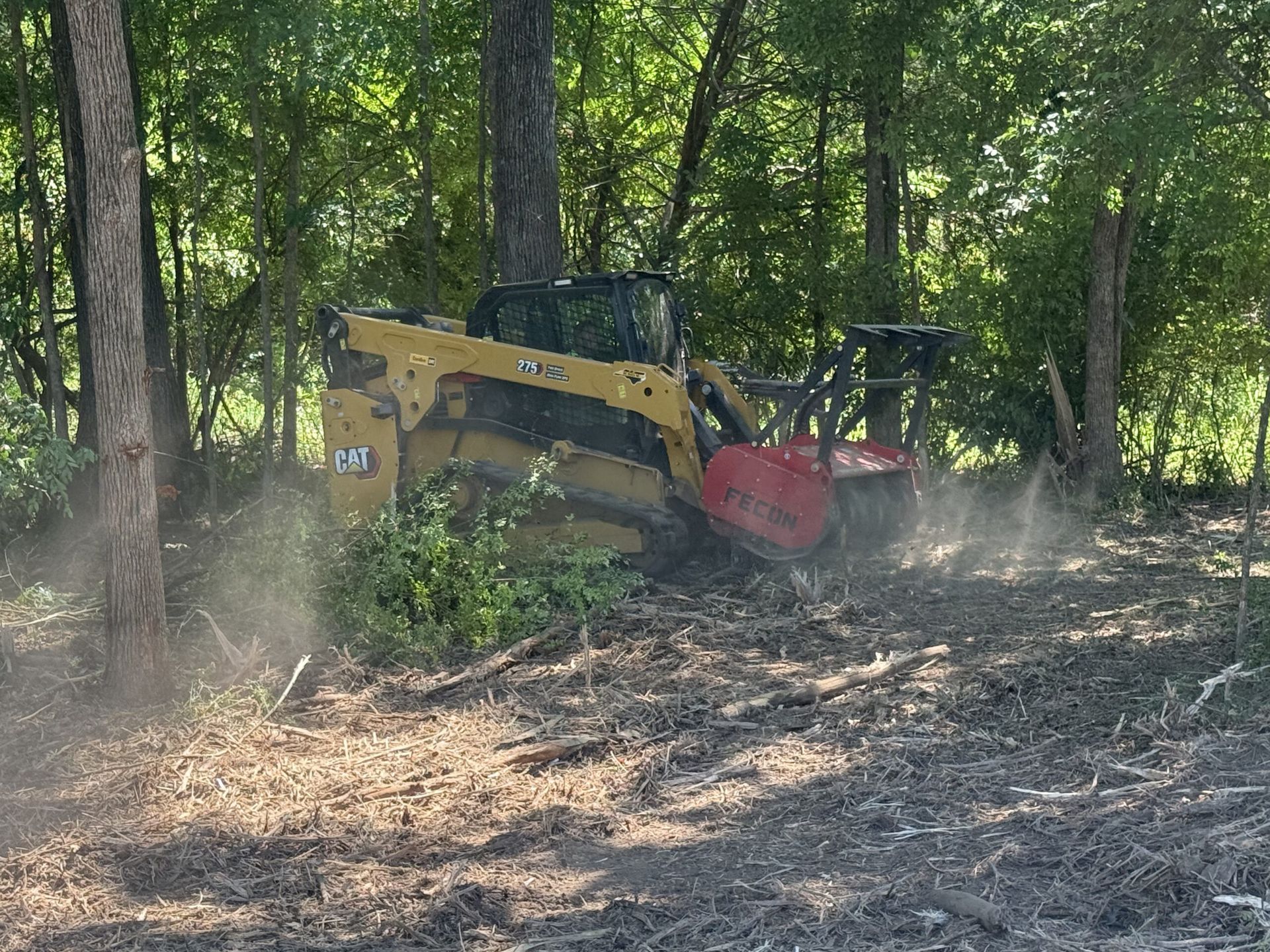
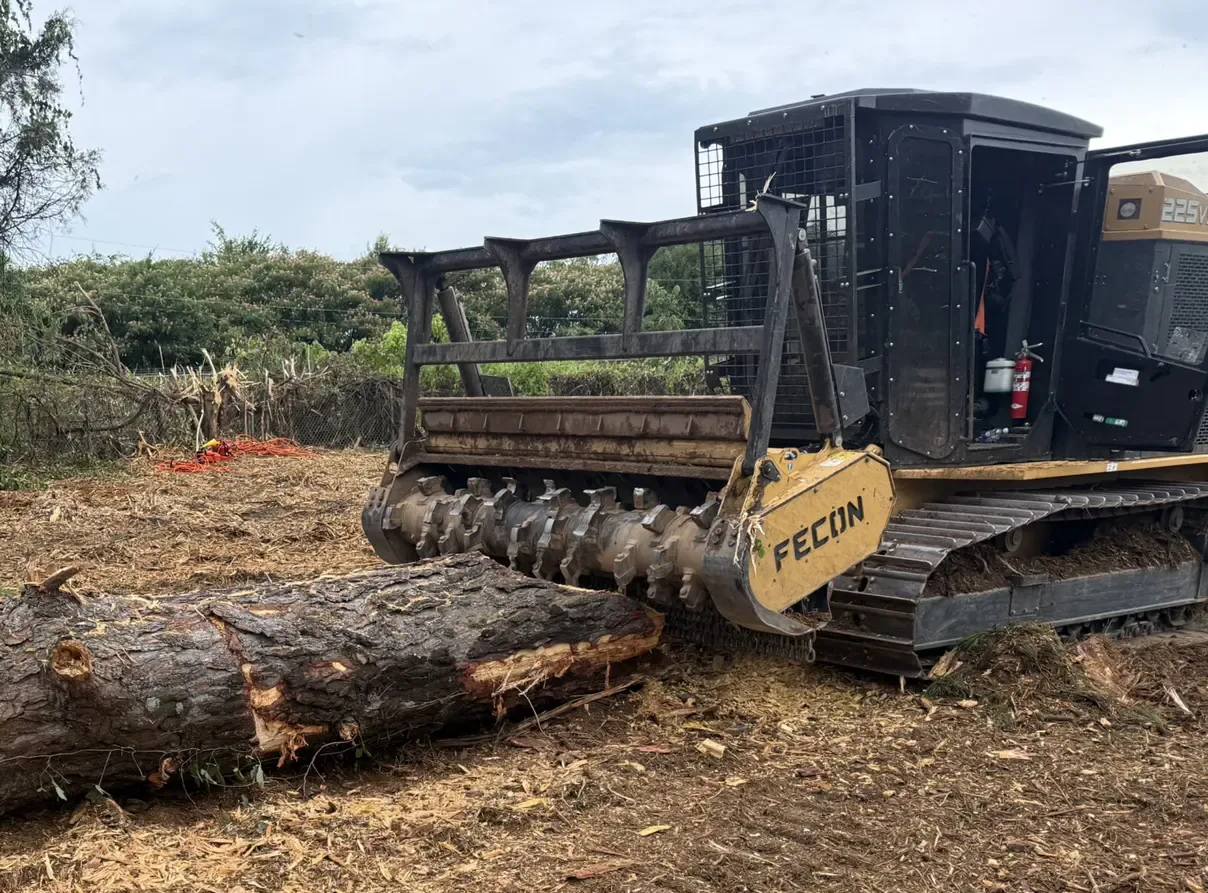
The work involves removing brush, saplings, vines, and low branches within a defined width along the fence or boundary line, typically creating a corridor wide enough for walking access and equipment passage. Forestry mulching handles heavy brush efficiently, grinding vegetation into mulch that suppresses regrowth and eliminates debris piles, while selective hand clearing preserves boundary trees or minimizes disturbance near fragile fence posts. This service does not include surveying to establish legal boundaries—you must identify known fence locations or property lines before clearing begins.
Identify your boundary or fence line locations and schedule a property walkthrough for clearing estimates and project planning.
Why Fence Line Access Improves Property Management
Clearing fence lines does more than improve appearance—it allows you to inspect for damage, install new fencing without clearing by hand, and maintain the boundary over time without repeated battles against regrowth. Vegetation growing against fence posts accelerates rot, vines pull wire fencing out of shape, and saplings rooted near boundary lines make repairs impossible without cutting them back first. Opening the corridor also clarifies property limits, reducing encroachment concerns and making boundary disputes easier to resolve when both sides can see the actual line.
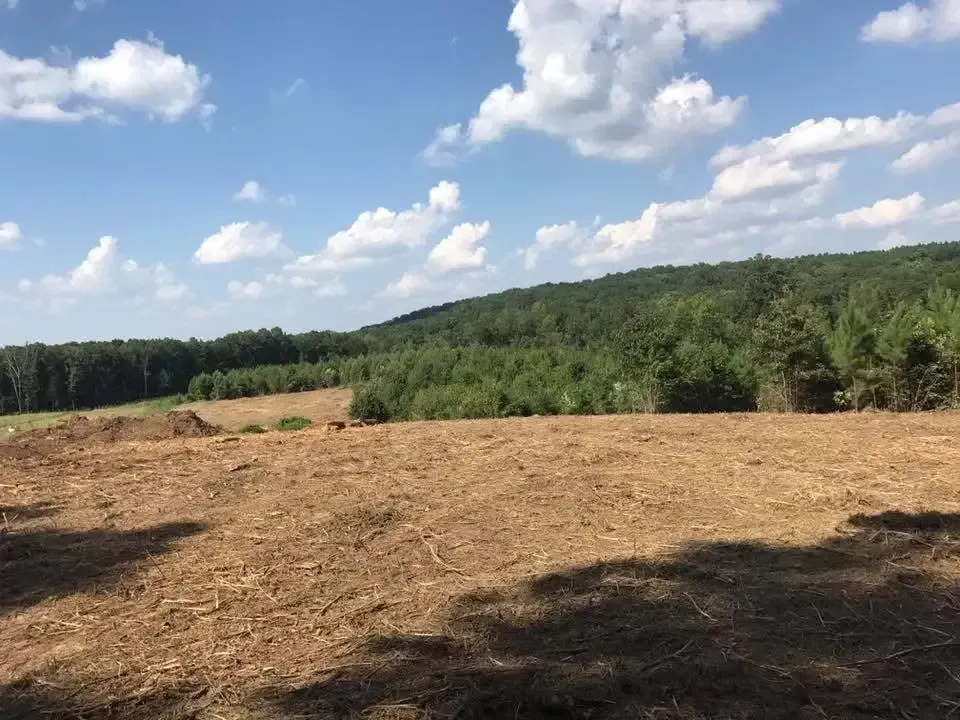
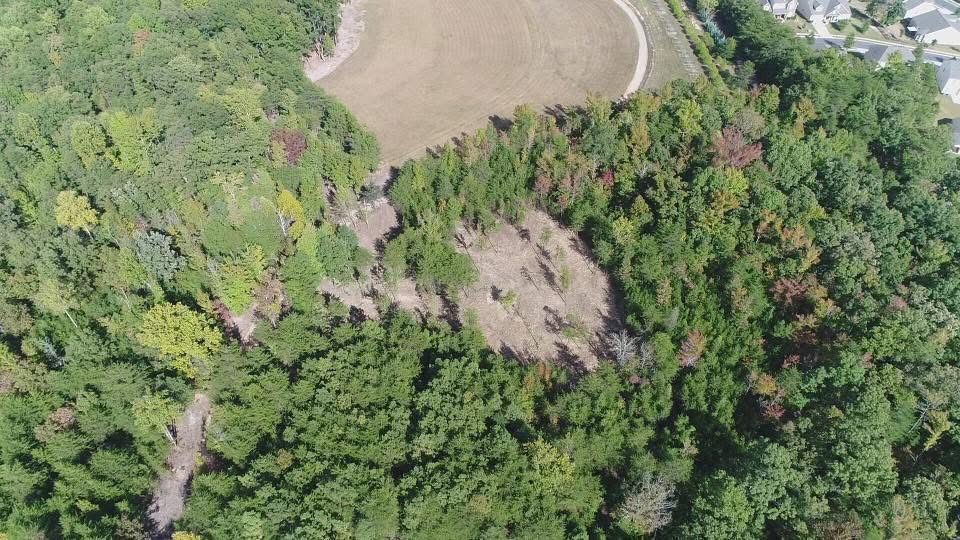
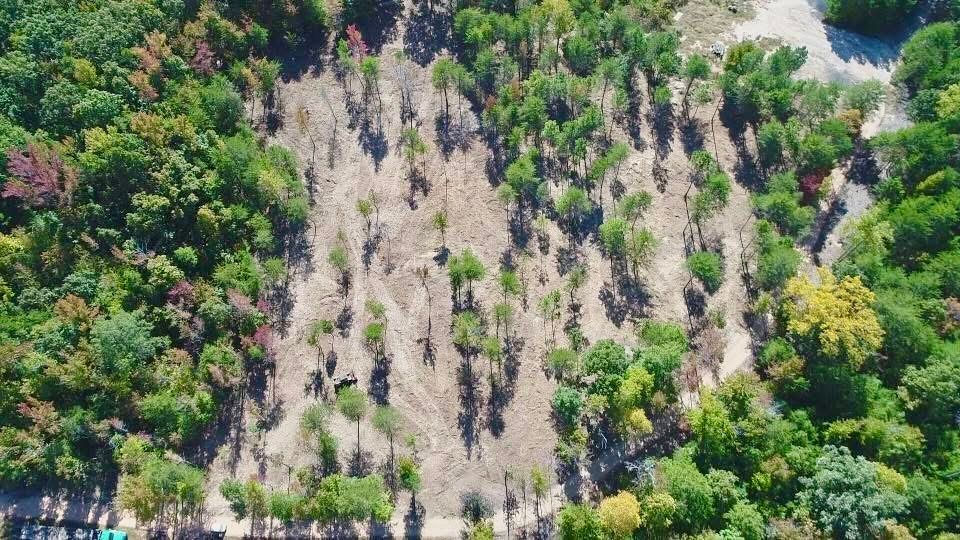
After clearing, you'll notice a clean corridor along the property edge, with existing fences visible and accessible for repairs or replacement. Walking the boundary becomes straightforward, mowing or brush-hogging prevents rapid regrowth, and fence contractors can work efficiently without spending billable time clearing vegetation before installation begins. Keeter Land Management integrates fence line clearing with broader property management, so boundary work supports fencing projects, timber management, or future development as your needs evolve.
This service focuses on vegetation removal along known boundaries, not establishing legal property lines or resolving disputes about where boundaries actually fall. If your property has steep slopes, wetlands, or mature trees along the boundary, those features may limit clearing width or require selective cutting to avoid damaging valuable timber or sensitive areas.
What Owners Ask About Boundary Work
Fence line and boundary clearing often involves questions about identifying limits, preserving existing features, and maintaining cleared corridors after the initial work is complete.
How do you determine where to clear if the boundary is hidden?
Customers must identify known boundary markers, old fence remnants, survey stakes, or property corners before clearing begins—Keeter Land Management follows those reference points but does not perform surveying or establish legal boundaries independently.
What width is needed for fence line access?
A corridor eight to ten feet wide allows comfortable walking access, room for equipment like post-hole diggers or augers, and enough clearance to prevent vegetation from quickly encroaching on new fences after installation.
Will clearing damage existing fences in Marshville?
Careful hand-clearing around fragile or historic fences minimizes damage, but old fence posts weakened by rot or vines may shift or fall during vegetation removal—inspecting fence condition before clearing helps set realistic expectations about what will survive the process.
How does forestry mulching work along property boundaries?
Mulching grinds brush and saplings into mulch that stays in the corridor, creating a ground cover that slows regrowth and eliminates hauling debris, making it faster and less disruptive than cutting and piling vegetation along long fence lines.
What prevents the fence line from regrowing into brush?
Periodic mowing, brush-hogging, or herbicide treatment controls saplings and invasive plants that sprout after initial clearing, with maintenance frequency depending on soil fertility, rainfall, and how aggressively vegetation rebounds in your area.
Keeter Land Management clears fence lines and property boundaries to restore access and prepare for fencing or maintenance work. Reach Derrick at (704) 993-7919 to walk your boundary and discuss clearing requirements before the project begins.