Clearing Subsurface Obstacles Before Work Continues
Stump Removal & Root Grubbing in Marshville for properties awaiting grading, driveway installation, or construction that cannot proceed with buried root systems
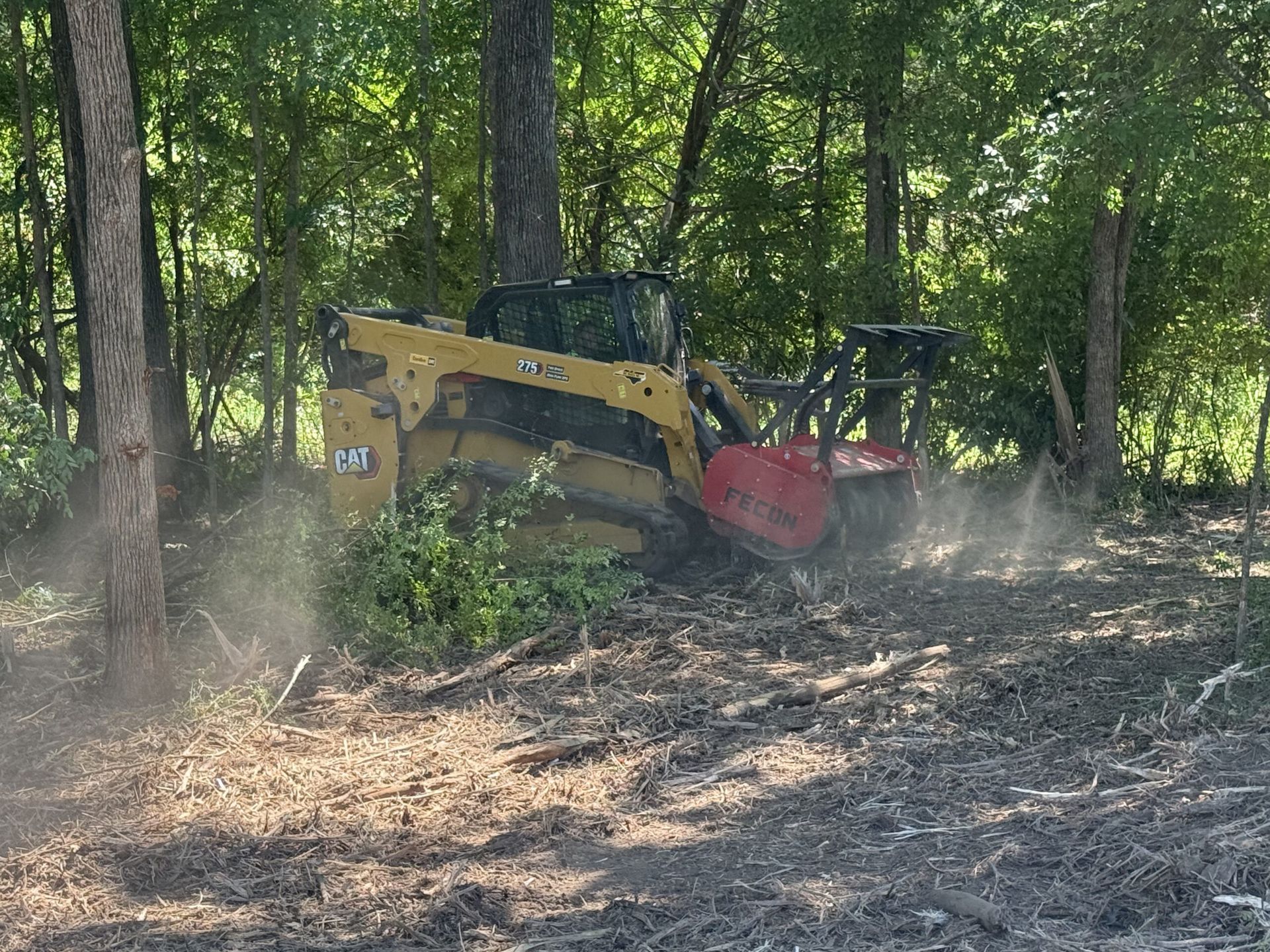
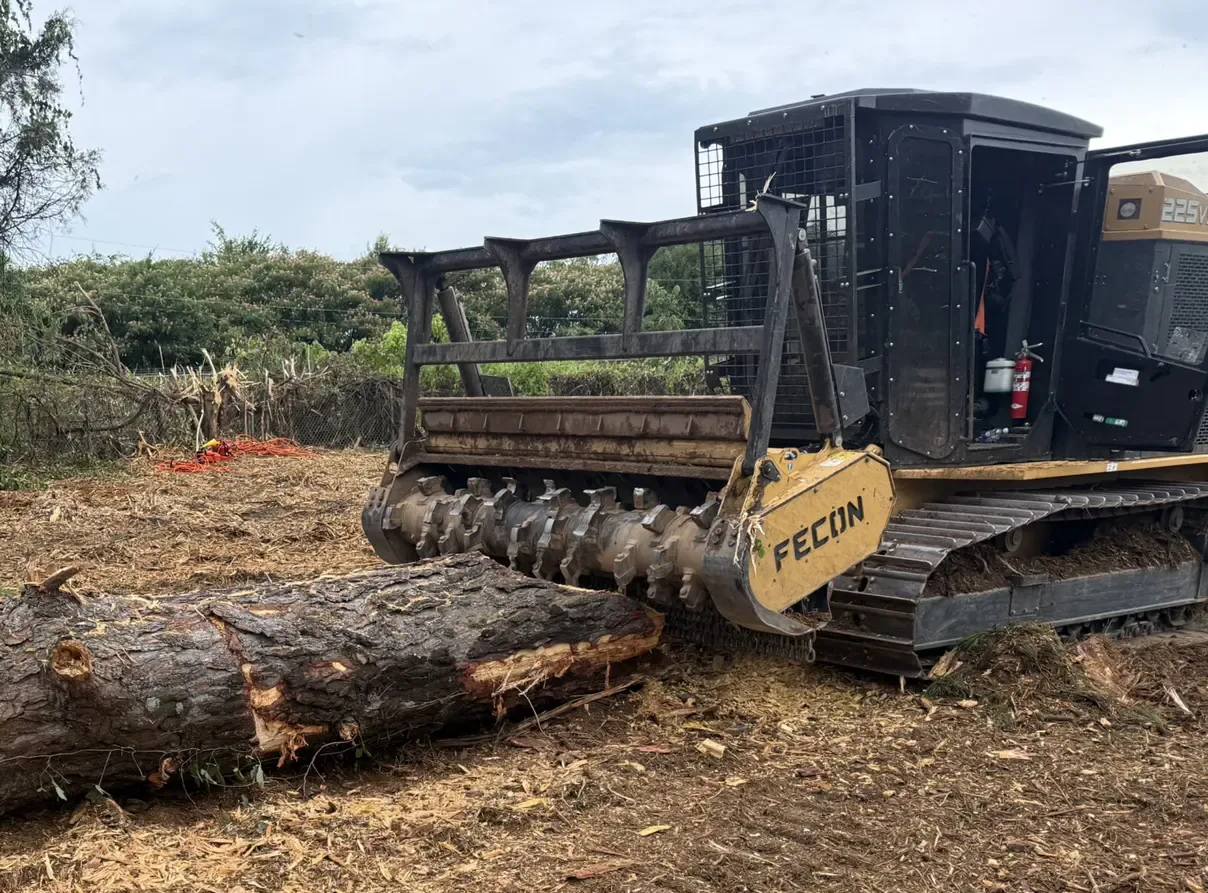
Stumps and root systems left after surface clearing create subsurface obstacles that prevent grading equipment from establishing stable elevations, cause voids under driveways as wood decomposes, and interfere with foundation excavation and utility trenching. Grubbing removes these woody masses entirely, exposing workable soil so the next construction or site preparation phase starts without hidden obstructions. Keeter Land Management provides stump removal and root grubbing across the Greater Charlotte Metro Area when properties must transition from cleared surface conditions to construction-ready ground.
The decision to grub stumps and roots depends on what follows clearing—if the area will be graded, paved, or built on, subsurface wood must come out because decomposing root masses create settling and instability over time. Surface clearing alone leaves obstacles that disrupt blade work, puncture drainage lines, and create uneven compaction under structural loads.
Request an on-site assessment so stump locations, root spread, and soil conditions can be evaluated relative to planned grading zones and construction staging areas.
What Proper Grubbing Requires
Root grubbing involves excavating not just the visible stump but the lateral root system extending several feet beyond the trunk, particularly for hardwood species common in the Charlotte region that develop dense, fibrous root networks. The excavation depth and spread depend on tree size, species, and how thoroughly the soil must be cleared for the planned improvement—driveway base preparation requires more complete root removal than areas designated for landscaping or fill placement.
After grubbing finishes, the excavated areas are backfilled with native soil and compacted to match surrounding grade, eliminating the voids and loose pockets that would otherwise cause settling under pavement, foundations, or graded surfaces. You walk the cleared property seeing level, obstacle-free ground rather than depressed areas marking where stumps were cut flush and left in place.
Grubbing does not guarantee soil uniformity across the entire site or address subsurface rock, wet zones, or existing fill layers—those conditions emerge during excavation and may require additional soil correction. What grubbing accomplishes is removing the specific woody obstructions introduced by previous clearing so construction proceeds without equipment damage, blade interruptions, or future settling caused by decomposing organic material.
Answers to Frequent Service Questions
Deciding when stumps must be removed versus left in place depends on the property's next phase and the long-term consequences of decomposing wood under improved surfaces. These questions help clarify when grubbing becomes necessary.
What determines whether stumps need complete removal?
If grading, paving, or building will occur over the stump location, the entire root mass must be extracted because decomposition creates voids and settling—stumps can remain if the area will stay wooded, naturalized, or planted with vegetation that tolerates uneven subsurface conditions.
How deep do roots need to be removed during grubbing?
Excavation typically extends to the depth where major lateral roots taper and soil becomes workable without fibrous obstructions, often eighteen to thirty-six inches depending on tree species and soil type, ensuring grading equipment and compaction efforts are not compromised.
What happens to soil after stumps and roots are excavated?
Voids left by grubbing are backfilled with excavated soil, free of woody debris, and compacted in lifts to restore grade and prevent future settling, though the backfilled areas may require additional settlement time before supporting structural loads or pavement.
When should grubbing occur relative to other site work?
Grubbing follows initial clearing and precedes final grading so subsurface obstacles are removed before elevations are set, drainage paths are established, and base materials are placed for driveways, building pads, or access roads across the property.
How does grubbing affect properties in Marshville with clay soils?
Clay-heavy soils common throughout the region compact differently than sandy or loamy ground, so backfilled grubbing zones require careful moisture management and compaction verification to match the surrounding native soil density and prevent differential settling under future improvements.
Keeter Land Management coordinates stump removal timing with clearing, grading, and construction schedules so subsurface obstacles are addressed before they delay equipment or compromise site preparation quality. Schedule a property review to identify stump locations, evaluate root spread, and integrate grubbing into your overall land development timeline.